Introduction & Current Status
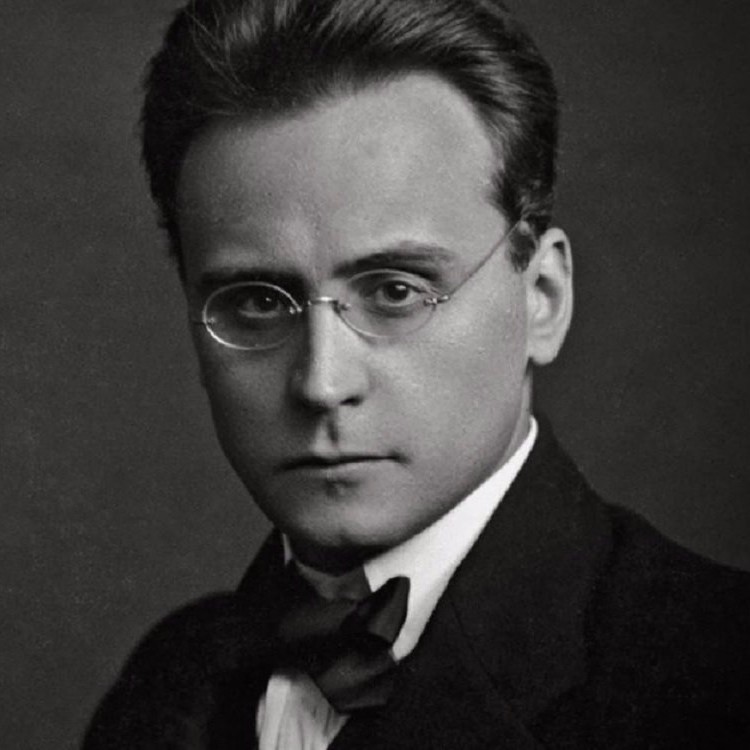
Anton Webern might not be topping the charts today, but trust, this dude's still a big deal. We're talking about a composer whose impact echoes through modern classical music like a perfectly dissonant chord. Think of him as the low-key ancestor of experimental electronica. His influence on composers like Pierre Boulez and Karlheinz Stockhausen cemented his place as a 20th-century icon.
Webern's radical brevity and intensely focused structures continue to challenge and inspire. His music, often clocking in at just a few minutes per piece, packs a serious punch. It's like the sonic equivalent of a shot of espresso – small, intense, and leaves you buzzing. These days, you'll find his works popping up in film scores and avant-garde installations, proving that his minimalist madness is still very much alive.
So, why does Anton Webern still matter? Because he dared to strip music down to its bare bones, exploring the outer limits of atonality and silence. He took twelve-tone technique and ran with it, creating a sound world that's both unsettling and strangely beautiful. It's like he was composing glitches before glitches were even a thing.
Early Life & Background
Born in Vienna, Austria, in 1883, Anton Webern came from a pretty privileged background. His dad was a mining engineer, so the family had some serious coin. He grew up surrounded by culture and intellectual stimulation. Early exposure to the arts set the stage for his future musical explorations.
Webern's musical journey started with piano lessons, but he quickly branched out into music theory and composition. He soaked up the rich musical atmosphere of Vienna like a sponge. He was particularly drawn to the works of Richard Wagner and Gustav Mahler. These influences shaped his early compositions, though he'd later forge his own radically different path.
He studied musicology at the University of Vienna, earning a Ph.D. in 1906 with a dissertation on the Renaissance composer Heinrich Isaac. This academic grounding gave him a deep understanding of music history. It also gave him a foundation for his own avant-garde experiments.
Career Beginnings
Webern's career really took off when he became a student of Arnold Schoenberg, the mastermind behind atonal music. Schoenberg's Second Viennese School became Webern's creative incubator. This is where he linked up with fellow composer Alban Berg. This trio formed the holy trinity of early 20th-century modernism.
Early on, Webern conducted various orchestras and choirs. He also taught composition to make ends meet. But his true passion lay in pushing the boundaries of musical expression. His compositions from this period began to showcase his signature style: concise, fragmented, and intensely expressive. They weren't exactly radio-friendly, but they were groundbreaking.
Despite facing resistance from more conservative musical circles, Webern persisted in his artistic vision. He was determined to explore new sonic territories, even if it meant alienating some listeners. His unwavering commitment to his craft ultimately paved the way for his lasting influence.
Major Albums & Discography
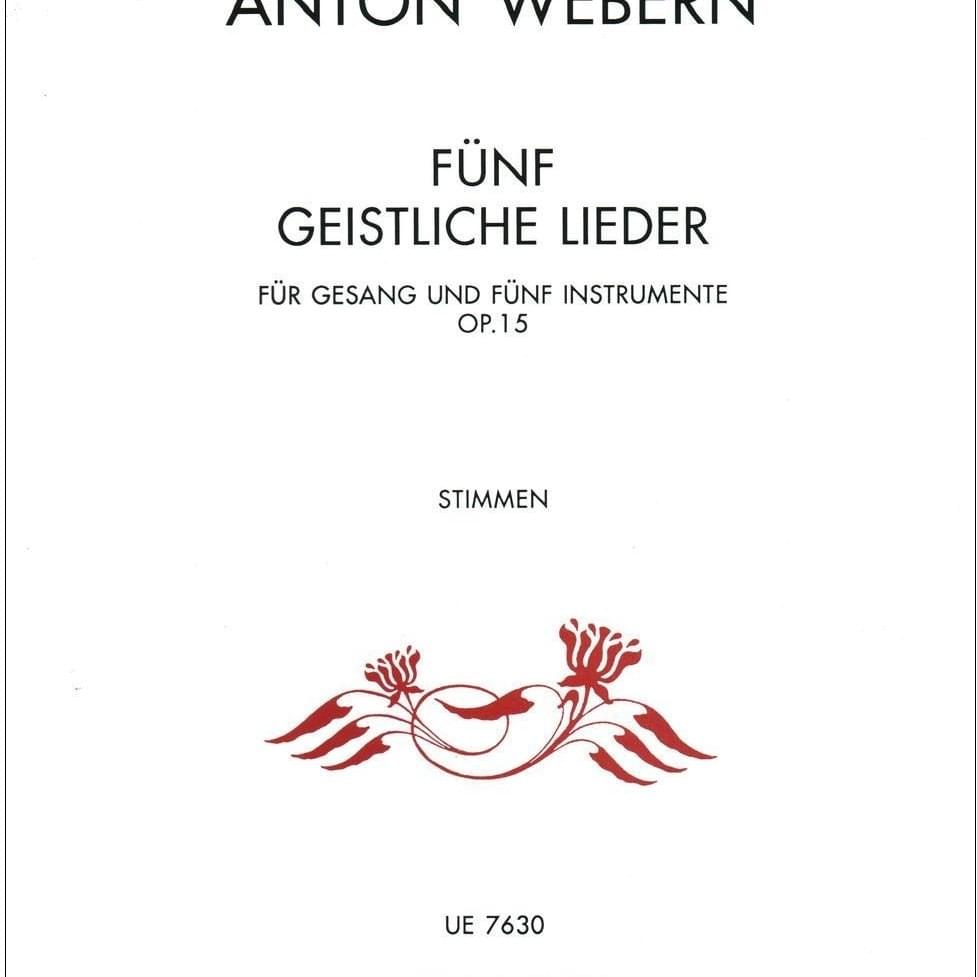
Webern didn't exactly drop albums in the traditional sense. His output consisted mainly of meticulously crafted compositions, often released as individual works or collections. Unlike pop stars chasing platinum, Webern focused on sonic perfection.
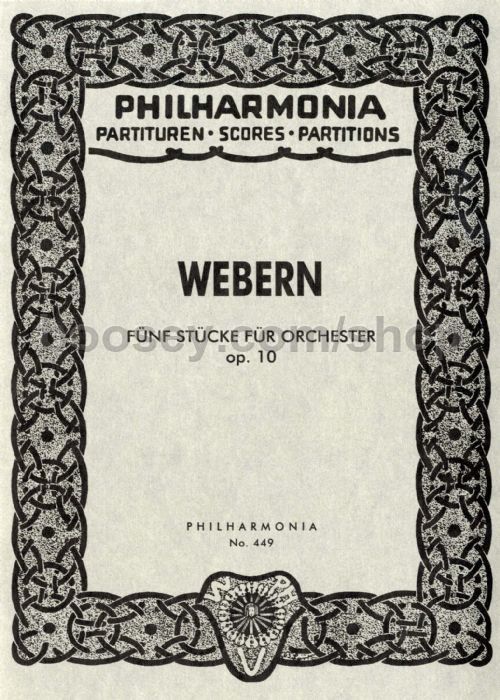
His early works, like "Passacaglia for Orchestra, Op. 1" (1908), show his roots in late Romanticism. However, he quickly moved towards atonality and serialism. Pieces like "Five Pieces for Orchestra, Op. 10" (1913) are prime examples of his mature style. These short, concentrated bursts of sound are like musical haikus.
Later works such as "Variations for Piano, Op. 27" (1936) demonstrate his mastery of twelve-tone technique. This is where each of the twelve notes of the chromatic scale is given equal importance. Webern's approach was so rigorous it became almost mathematical. His compositions are less about melody and harmony and more about texture and timbre.
Hit Songs & Signature Tracks
Let's be real – Webern didn't have "hit songs" in the pop sense. His music is more about challenging conventions than topping charts. However, certain pieces have become iconic within the world of modern classical music. These works define his unique contribution to the art form.
"Six Bagatelles for String Quartet, Op. 9" (1913) stands out for its extreme brevity and delicate textures. Each bagatelle lasts only a few seconds, yet they're packed with intense expression. It's like a series of fleeting sonic snapshots. Think of it as ASMR for highbrows.
Another key work is "Concerto for Nine Instruments, Op. 24" (1934). This piece showcases Webern's mastery of serialism and his ability to create complex structures from minimal material. It's not exactly a singalong jam, but it's a fascinating example of his intellectual rigor and sonic inventiveness.
Though you won't find them on Spotify's Top 50, these compositions have left an indelible mark on music history. They continue to inspire composers and musicians seeking to push the boundaries of sound. Webern's influence is like a secret ingredient in the recipe for modern musical innovation.
Collaborations & Features
Webern didn't exactly do collaborations in the way that today's artists drop tracks with each other. His collaborations were more about his involvement with the Second Viennese School. He worked closely with Arnold Schoenberg and Alban Berg. Their collective exploration of atonality and serialism shaped the course of 20th-century music.
While Webern didn't feature on other artists' tracks, his music has been featured in numerous films and contemporary art installations. His compositions add an element of intellectual depth and unsettling beauty. His influence stretches far beyond the concert hall.
Though not traditional collaborations, Webern's interactions with other composers and artists created a ripple effect. It influenced generations of musicians to come. His legacy is a testament to the power of artistic community and shared vision.
Awards & Achievements
Webern wasn't exactly racking up Grammy Awards or Billboard accolades. His achievements are more about his lasting impact on the world of modern classical music. His rigorous approach to composition and his pioneering use of serialism have earned him a place among the most influential composers of the 20th century.
He received honorary degrees and recognition from various musical institutions. However, his greatest reward was the admiration of his peers and the continued performance of his works. Webern's influence extends far beyond any specific award or achievement.
His legacy is cemented in the way composers approach music theory and composition today. He broke the rules and redefined what music could be. That's an achievement that speaks for itself.
Personal Life
Webern's personal life was marked by tragedy. He died in 1945 after being accidentally shot by an American soldier during the Allied occupation of Austria. This tragic end adds a layer of poignancy to his already intense and deeply personal music.
Despite the hardships he faced, Webern remained committed to his artistic vision. He was known for his quiet demeanor and his intense focus on his work. He was a dedicated teacher and mentor to many young composers.
Musical Style & Influence
Webern's musical style is characterized by its brevity, fragmentation, and intense expression. He took the twelve-tone technique developed by his mentor Arnold Schoenberg and pushed it to its absolute limit. His music is often described as pointillistic. This is where individual notes are isolated and given equal importance.
His influence can be heard in the works of composers like Pierre Boulez, Luigi Nono, and Karlheinz Stockhausen. These composers saw Webern as a pioneer of musical modernism. They further explored the possibilities of serialism and electronic music. His work continues to inspire artists seeking to break free from traditional musical structures.
Webern's legacy lies in his unwavering commitment to artistic innovation. He challenged listeners to hear music in a new way. His radical approach to composition opened up new sonic possibilities. He remains a pivotal figure in the history of Western music.
Recent Work & What's Next
While Webern himself isn't exactly dropping new tracks, his music continues to be performed and reinterpreted by contemporary musicians. You can catch his works at modern classical concerts and avant-garde festivals around the globe. His compositions are also being sampled and remixed by electronic music producers.
Looking ahead, Webern's influence is likely to continue to grow as more artists discover his unique sound world. His music offers a blueprint for exploring new sonic territories. It's a reminder that the most radical innovations often come from the most unexpected places. He's the gift that keeps on giving.