Song Meaning
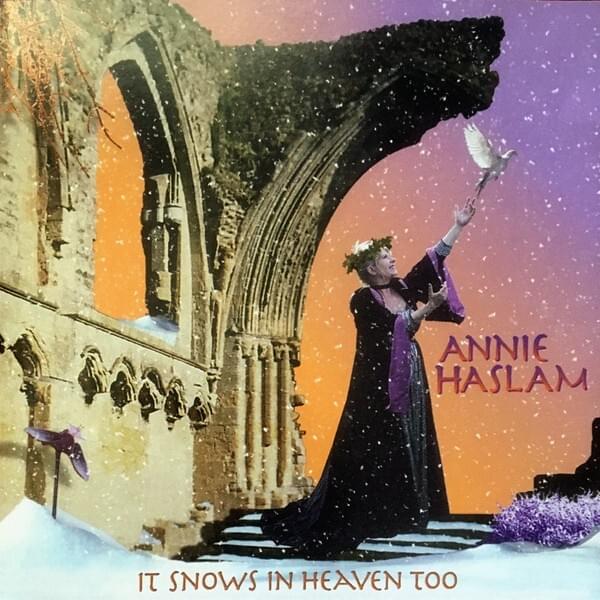
Annie Haslam's rendition of "The Little Drummer Boy" transcends a simple Christmas carol, becoming a poignant exploration of humility and the power of unconventional gifts. Stripped of overt religious dogma, the song's core message resonates with anyone who has felt inadequate or lacking in the face of societal expectations. The lyrics paint a picture of a child acutely aware of his poverty, contrasting his own perceived worthlessness with the "finest gifts" brought by others to honor the newborn king. This immediately sets up a compelling tension between material wealth and the intrinsic value of human expression. The "ba rum bu bu bum" refrain, initially sounding like a simple rhythmic filler, evolves into a symbol of the drummer boy's offering – a heartfelt and unpretentious contribution born not of obligation but of genuine desire to connect.
The genius of "The Little Drummer Boy", and particularly Haslam's interpretation, lies in its inversion of traditional power dynamics. The king, typically the receiver of lavish tributes, finds joy and meaning in the simple, imperfect offering of a poor boy's drum playing. This subverts the notion that worth is determined by material possessions or social status. The act of playing, repeated emphatically throughout the song, becomes a form of vulnerability and self-exposure. It’s a testament to the idea that authenticity and heartfelt expression can be more valuable than any material gift. The repeated line "I played my best for him" emphasizes the sincere effort and dedication poured into the performance, highlighting the transformative power of giving one's all, regardless of perceived limitations.
Ultimately, the song's meaning hinges on the reciprocal exchange between the king and the drummer boy. The king's smile, a simple yet profound gesture of acceptance, validates the boy's offering and affirms his inherent worth. It's a powerful reminder that genuine connection transcends social barriers and that even the smallest acts of kindness and self-expression can have a profound impact. The final repetition of "Me and my drum" solidifies the boy's sense of self-acceptance and pride. He is no longer defined by his poverty or lack of material gifts but by his unique ability to offer joy and connection through his music. Annie Haslam’s version underscores the song's message: that true value lies not in what we possess, but in what we offer from the heart.
 View Artist