Song Meaning
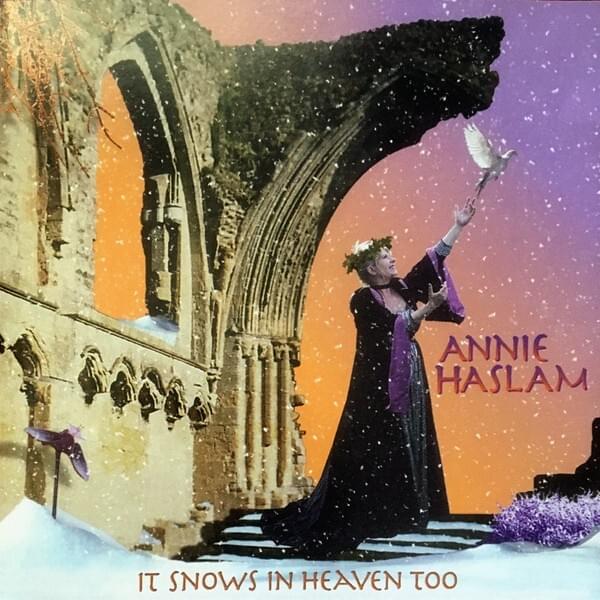
Annie Haslam's rendition of "Ave Maria" transcends mere musical performance; it's a sonic invocation, a layered exploration of faith, mortality, and the feminine divine. The lyrics, a traditional prayer in Latin, are deceptively simple. Haslam’s interpretation, however, delves into the prayer’s psychological weight. The plea for intercession – "ora pro nobis / Nobis pecatoribus" (pray for us, sinners) – becomes a raw acknowledgement of human fallibility. It's not just a rote recitation, but a yearning for grace in the face of inherent imperfection. The repeated "Sancta Maria" serves as a mantra, a centering point in the struggle between earthly existence and spiritual aspiration. The 'song meaning' lies less in the literal translation and more in the emotional subtext.
The power of "Ave Maria", particularly as performed by Haslam, rests in its ability to tap into universal anxieties about death ("in hora mortis nostrae"). This isn't merely religious dogma; it's a confrontation with the inevitable. The prayer, framed by Haslam's ethereal vocals, becomes a sonic space for processing fear and seeking solace. The repetition within the lyrics acts as a form of psychological anchoring, a way to grapple with existential dread by returning to a familiar, comforting structure. The focus on Mary, the mother figure, further emphasizes the theme of seeking comfort and protection, especially in times of vulnerability.
Ultimately, Annie Haslam’s "Ave Maria" is a profound meditation on the human condition. Through the framework of a traditional religious text, the song explores themes of sin, redemption, and the search for peace in the face of mortality. The 'lyrics analysis' reveals a depth beyond the surface, a testament to the enduring power of faith as a psychological tool for navigating life's inherent challenges. The 'song meaning' becomes deeply personal, regardless of the listener's religious background, resonating with anyone who has grappled with their own imperfections and the looming specter of death.
 View Artist