Song Meaning
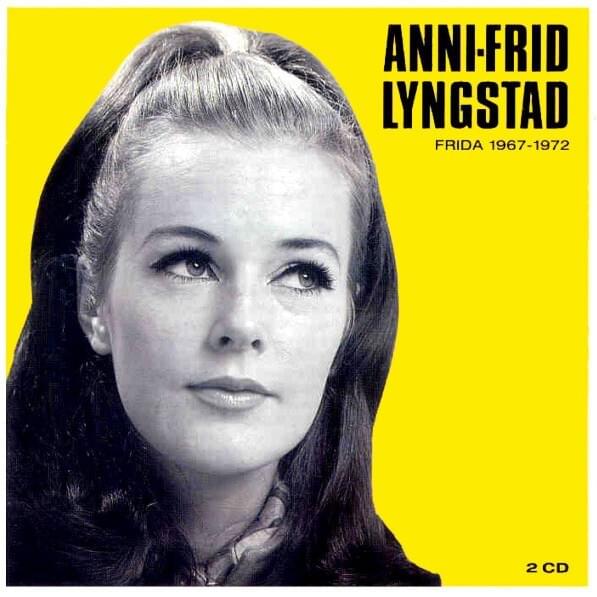
Anni-Frid Lyngstad, later known globally as Frida from ABBA, delivers a poignant, almost philosophical take on farewell in "Vad gör det att vi skiljs för i afton." The song, whose title translates roughly to "What does it matter that we part tonight," isn't dripping in melodrama, but rather offers a tempered acceptance of transient moments. It's a sophisticated perspective, acknowledging the bittersweet nature of connection and separation. The lyrics paint a scene of a late-night party winding down, the final waltz concluding. But instead of succumbing to despair, the singer adopts a reflective stance, questioning whether the other person truly grasps the significance of their shared time.
The core message of "Vad gör det att vi skiljs för i afton" lies in its gentle resignation. The repeated refrain, "What does it matter that we part tonight, my friend / When we can meet again tomorrow," acts as a soothing balm. It suggests a mature understanding that not all unions are meant to be permanent, and that temporary separation doesn't negate the value of what was experienced. This isn't a naive optimism, but a grounded realism. It's the kind of sentiment that resonates with anyone who has navigated the complexities of relationships, understanding that endings can be preludes to new beginnings or simply pauses in an ongoing narrative.
Ultimately, the song's meaning resides in its ability to find peace within impermanence. The image of parting with a kiss and whispering the titular phrase encapsulates this sentiment. It's not about clinging to the past, but about cherishing the moment while acknowledging its fleeting nature. Lyngstad's delivery imbues the lyrics with a sense of wistful grace, transforming a potentially sorrowful theme into a celebration of connection, however brief. The 'lyckliga stund' (happy moment) simply 'kan ju inte för evigt bestå' (cannot last forever) implies a realistic and accepting outlook towards an ephemeral moment shared.
 View Artist