Song Meaning
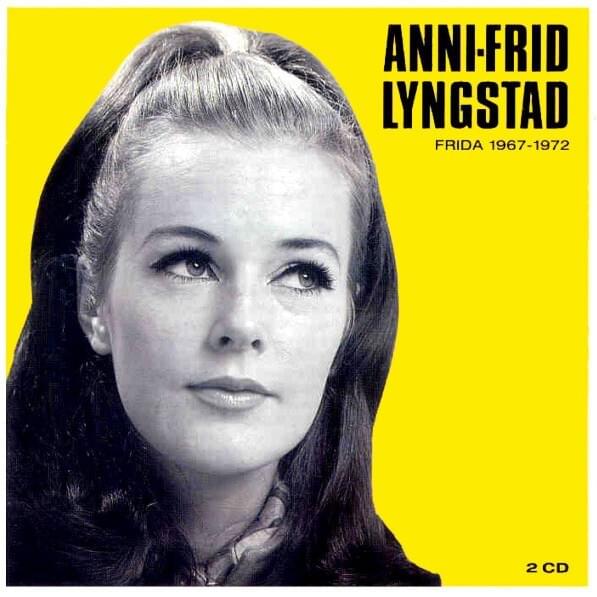
Anni-Frid Lyngstad's "Min soldat" (My Soldier) initially presents itself as a simple ode to a lover serving in the Swedish armed forces, but beneath the surface lies a complex commentary on love, duty, and societal expectations. The song's charm comes from its juxtaposition of the idealized romantic figure with the reality of military life. The opening lines paint a picture of a former dandy, a "modelejon" (fashion lion), suggesting a past life of glamour and perhaps even a superficial charm that the narrator acknowledges she was drawn to. This immediately establishes a contrast with the present circumstances, hinting at a transformation brought about by his military service.
The heart of the song resides in the repeated verses describing his ill-fitting uniform: "His shoes are too big / And his cap is too tight / His pants are too narrow / And his coat is too long." These lines are not merely descriptive; they symbolize the awkward fit of military life on an individual, the way it can strip away individuality and impose a standardized identity. Yet, the narrator's refrain, "But it doesn't matter / For he is my soldier / Somewhere in Sweden," reveals a profound acceptance and unwavering devotion. This acceptance isn't blind; she sees the unkempt appearance, the weeks without shaving, the financial strain, and the postponed wedding.
However, "Min soldat" transcends a simple love song by touching upon the broader role of women in supporting national service. The lines "At attention we must stand / We little women, for our blue boys" carry a weight of societal expectation. It speaks to the sacrifices made not only by the soldiers but also by their partners, who are expected to stand firm and supportive despite the hardships. The narrator acknowledges the meager pay and the delayed wedding, yet her commitment remains steadfast. The song, therefore, becomes a poignant reflection on the quiet strength and resilience required of those who love and support individuals serving their country, and the way love adapts to the sometimes-unglamorous realities of duty.
 View Artist