Song Meaning
The lyrics paint a picture of someone adrift, both literally by the water and figuratively in life. The opening lines establish a quiet, observational scene, with the subject "sat often by the water" and "listened to the chatter," yet also "smelled the mud." This suggests a detached presence, aware of surroundings but perhaps not fully engaged, caught between a desire for movement ("was on his way away") and a state of stillness.
The narrative then shifts to a more unsettling urban setting, where the subject drinks "on the garden bench" until it disrupts appearances, leading to men being asked to leave. This implies a struggle with societal norms or an inability to maintain a facade, leading to expulsion. The recurring question, "Little brother, when will you be completely grown?" introduces a paternalistic or perhaps self-reflective tone, hinting at a perceived immaturity or a longing for a future state of being.
The core of the song seems to lie in a pervasive sense of inadequacy and inherited burden. The narrator carries "something one doesn't remember what it is," making them "sensitive to hints of all condescension." There's a clear understanding of one's diminished status, acknowledging "one knows one's place" and that "one is worth less." This feeling of being perpetually judged and found wanting is amplified by the passage of time, as "it is late and the days fly by," inducing dizziness when recalling past experiences.
Ultimately, the lyrics capture a feeling of arrested development and quiet desperation. The repeated plea to "Little brother, when will you be completely grown?" coupled with the weary resignation of "we sigh but we believe well / That you are surely growing still," suggests a cycle of unfulfilled potential and a resigned hope that change might eventually come. The narrator's sensitivity to condescension and awareness of their lesser worth, despite the passage of time, creates a poignant portrait of someone struggling to find their footing and overcome a deep-seated sense of inferiority.
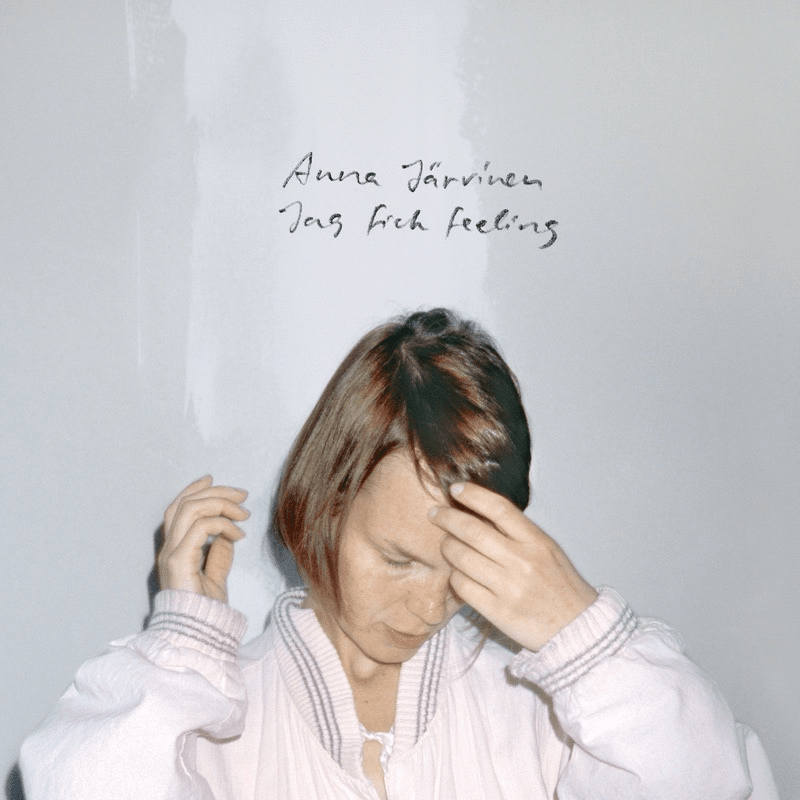
 View Artist