Song Meaning
The lyrics paint a picture of a past moment of profound clarity and self-awareness, contrasted with a present where that understanding seems lost or dismissed. The opening lines, "Vem hade trott på dem / På det om de sade såhär," suggest a dismissal of external advice or doubt that, in retrospect, might have been valuable. This sets up a core tension: a cherished memory of knowing oneself versus a current state of uncertainty or disbelief.
The narrative hinges on a specific, almost magical memory: "en sensommardag såg vi så klart / (och) alla visste vilka de var / Till och med jag / Visste vem jag var." This idyllic scene, where identity was crystal clear, is further amplified by the metaphor of "askungens bal" – a fairytale night of enchantment. The feeling of being "förtrollade av den kvällen" highlights the immersive, almost dreamlike quality of this past certainty. The swift transition from "Natten var en enig sång / Jag såg upp / Det var morgon" underscores how fleeting this perfect moment was, a stark contrast to the present.
The repetition of the core memory in the second half, but with a crucial shift from "Vem hade lyssnat då" to "Inte jag," emphasizes the narrator's current disengagement or inability to heed past wisdom. This subtle change in the refrain signals a departure from the initial hopeful questioning to a more resigned or perhaps defiant stance against whatever external voices are being referenced. The contrast between the clear, knowing past and the implied confused present is the emotional engine here.
Ultimately, the effectiveness lies in this poignant juxtaposition. The lyrics capture that universal ache of remembering a time when things felt simpler, when self-knowledge was absolute, only to find that clarity has evaporated. The fairytale imagery makes the lost moment feel even more precious and the present feeling of doubt or dismissal even more profound.
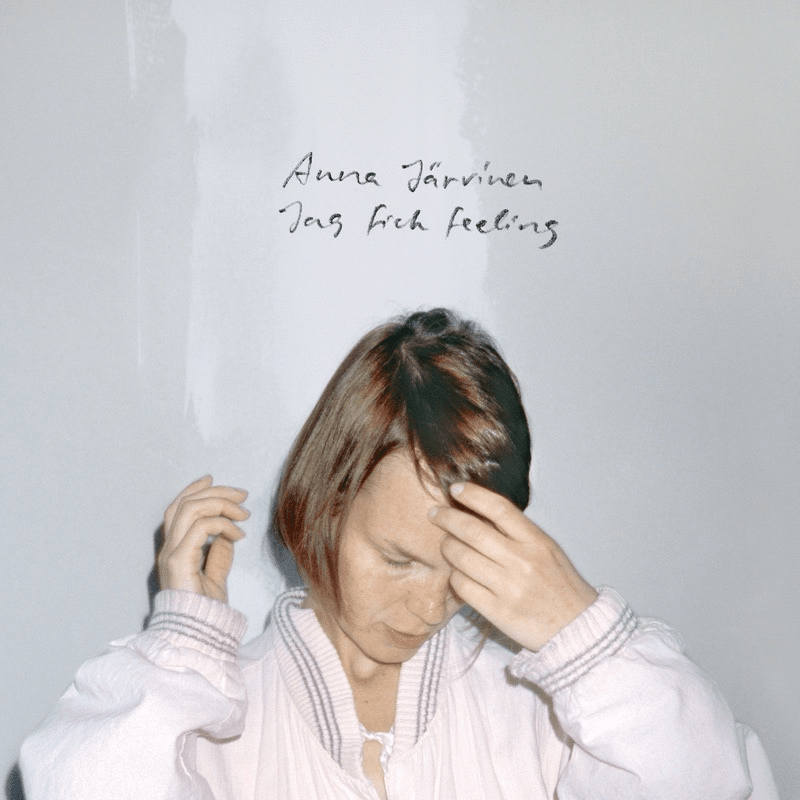
 View Artist