Song Meaning
The lyrics pose a central question: "What child is this?" The immediate scene is tender and humble, depicting a baby asleep on Mary's lap, observed by watchful shepherds and serenaded by angels. This quiet, almost domestic image is immediately juxtaposed with the profound significance attributed to the infant. The narrator doesn't just see a child; they see a divine figure.
The core tension lies in the contrast between the child's apparent vulnerability and poverty and his proclaimed identity. He is laid to rest in a "poorer estate" where animals feed, a stark image of humility. Yet, this same child is identified as "Christ the King," the "Babe, the Son of Mary" who brings "salvation." The lyrics suggest this humble setting is precisely where "seekers and all people" can find the "silent word pleading."
The most striking craft element is the insistent repetition of "This, this is Christ the King." This refrain hammers home the revelation, transforming the initial questioning wonder into a declarative statement of faith. The urgency is amplified by the repeated "Haste, haste to bring Him laud," urging a swift response to this divine arrival. The gifts of "incense, gold and myrrh" are not mere offerings but acts of "own[ing] Him" and "enthrone[ing] Him" in loving hearts.
These lyrics resonate because they capture a moment of profound revelation within a scene of profound simplicity. The power comes from the direct assertion that the most extraordinary being is found in the most ordinary, even impoverished, circumstances. The call to action, to "bring Him laud" and "own Him," transforms passive observation into active devotion, making the grand theological statement deeply personal and immediate for the listener.
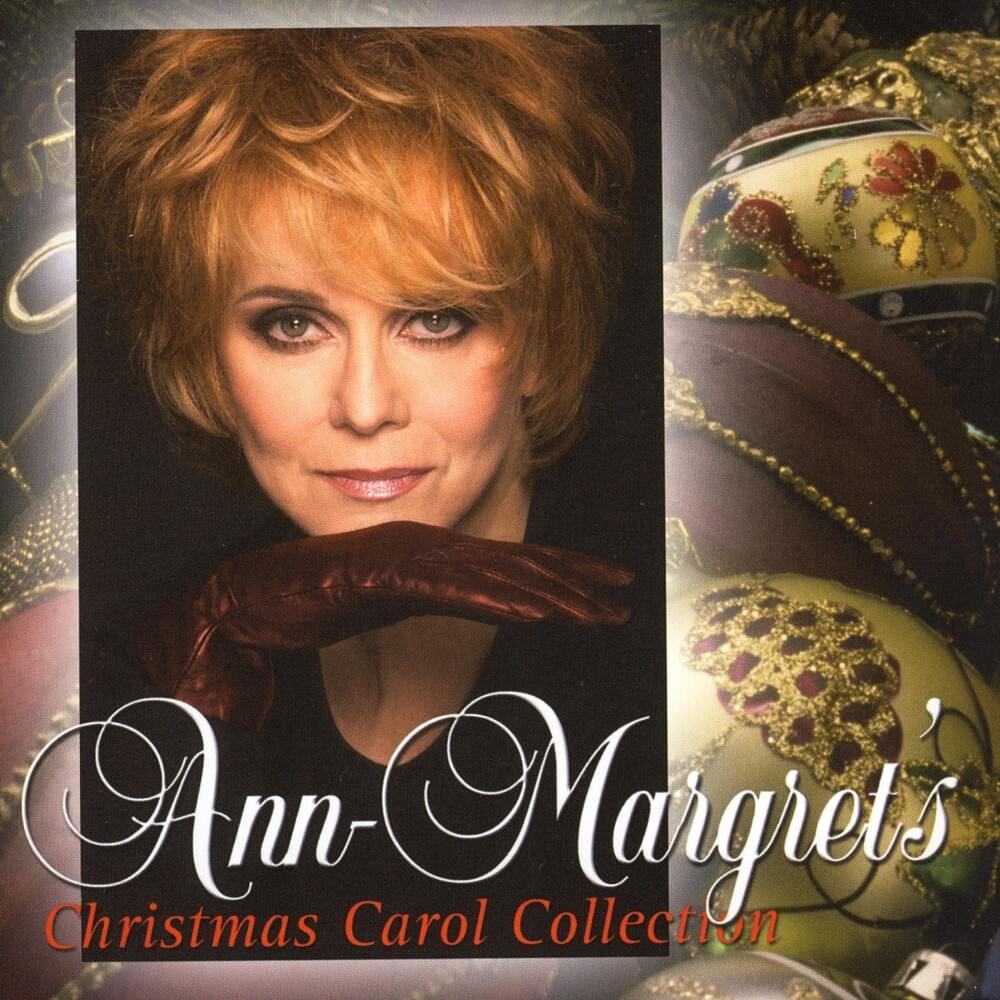
 View Artist