Song Meaning
This carol paints a vivid, immediate scene of joyous invitation. The opening lines don't just state a fact; they issue a direct, almost urgent summons to gather. The repetition of "O come ye" creates a powerful sense of communal movement, pulling the listener into the narrative. It’s a call to witness something extraordinary, a moment of profound significance unfolding in Bethlehem.
The central tension lies in the contrast between the humble birth and the divine identity being revealed. The lyrics present a newborn King of Angels, a figure of immense power and celestial significance arriving in a manger. This juxtaposition of the earthly and the divine, the vulnerable infant and the cosmic ruler, is the core of the song's emotional weight. The repeated refrain, "O come let us adore Him," hammers home the intended response to this revelation.
The most striking craft element is the sheer force of the repeated invitations and commands. "O come," "O sing," "Come and behold" – these are not passive suggestions but active directives. The lyrics build a crescendo of exhortation, urging the faithful, the choirs of angels, and even the "citizens of heaven" to participate in this moment. This insistent, layered calling creates an overwhelming sense of shared purpose and ecstatic celebration.
Ultimately, the effectiveness of these lyrics stems from their directness and their building momentum. They bypass complex theology for a clear, powerful emotional appeal: come, see, rejoice, adore. The insistent repetition and the grand, inclusive scope – from earthly faithful to heavenly hosts – forge a sense of urgent, collective worship that feels both deeply personal and cosmically significant.
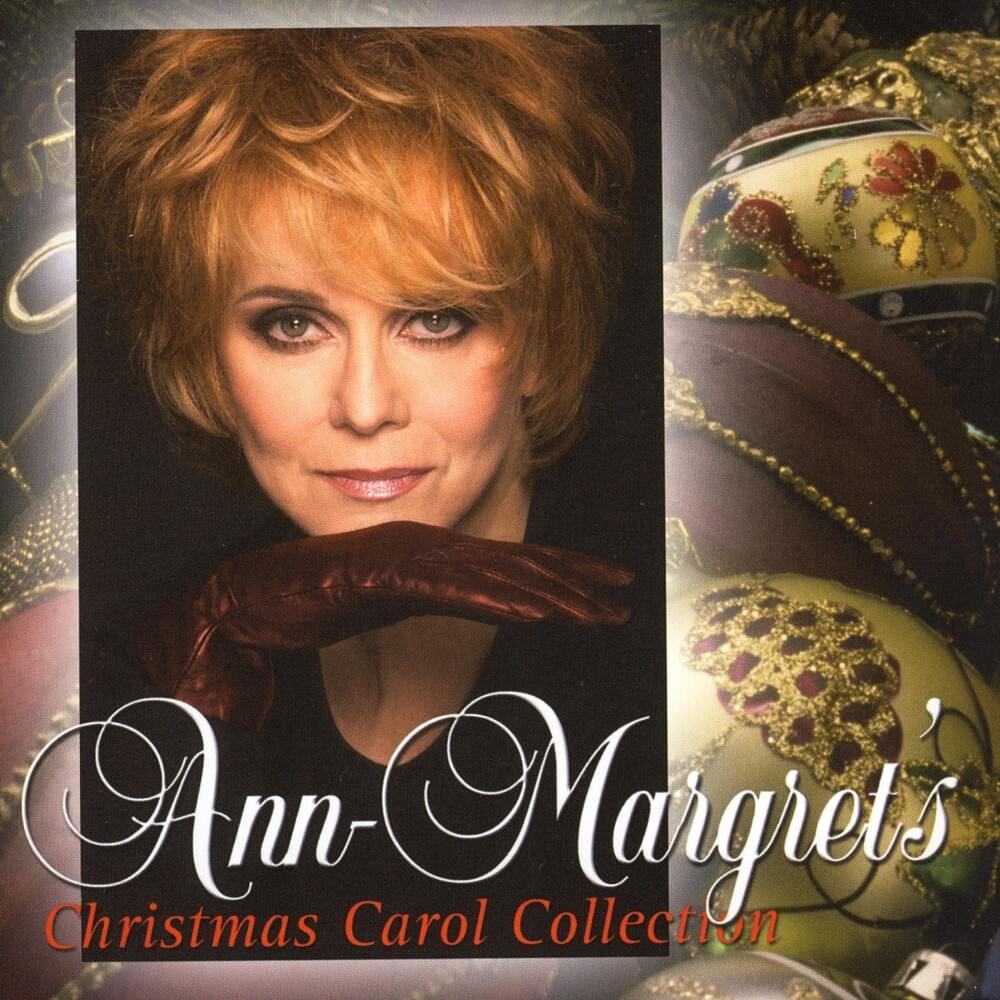
 View Artist