Song Meaning
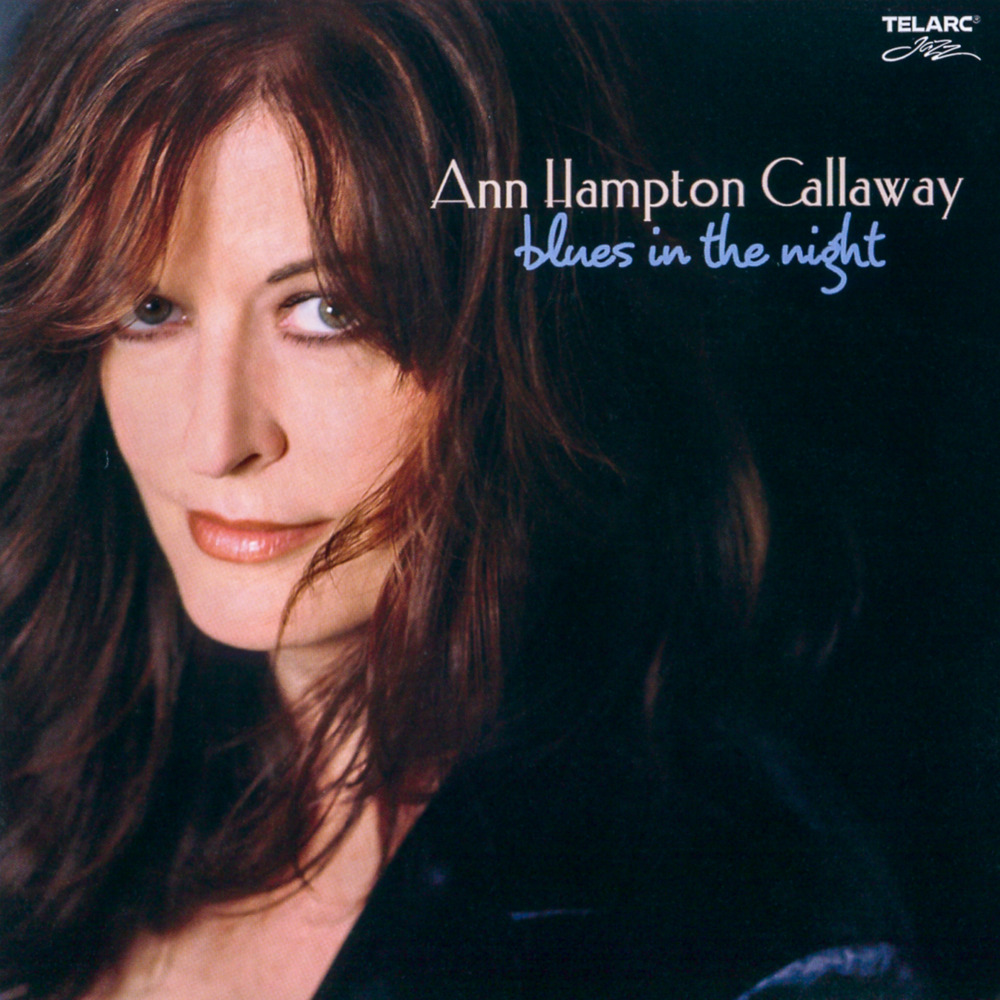
Ann Hampton Callaway's rendition of "The Glory of Love" isn't just a sentimental ballad; it's a pragmatic, almost world-weary meditation on the messy realities underpinning lasting connection. The song's genius lies in its unflinching acknowledgment that love isn't some perpetually blissful state, but a hard-won equilibrium forged through compromise and resilience. It's a mature perspective, light years away from naive romanticism. The recurring phrase "a little" is doing heavy lifting here, softening the blows of life.
The lyrics paint a picture of love as a constant negotiation. You give, you take, your heart inevitably breaks – but within that cycle of vulnerability and repair lies its inherent value. Callaway seems to suggest that acknowledging the inevitability of pain is what ultimately shields us from being consumed by it. The blues aren't an anomaly; they're part of the package. The payoff, of course, is the unwavering presence of "the two of us," a refuge against a world that will eventually discard us.
Ultimately, "The Glory of Love," as interpreted by Callaway, finds its power in its stark simplicity. It eschews grand pronouncements for the quiet understanding that love's true strength resides not in idealized perfection, but in the shared ability to weather life's inevitable storms, armed with nothing more than each other's arms. It's a testament to the enduring human need for connection, a reminder that even when the world turns its back, the solace of a loving partnership can be enough.
 View Artist