Song Meaning
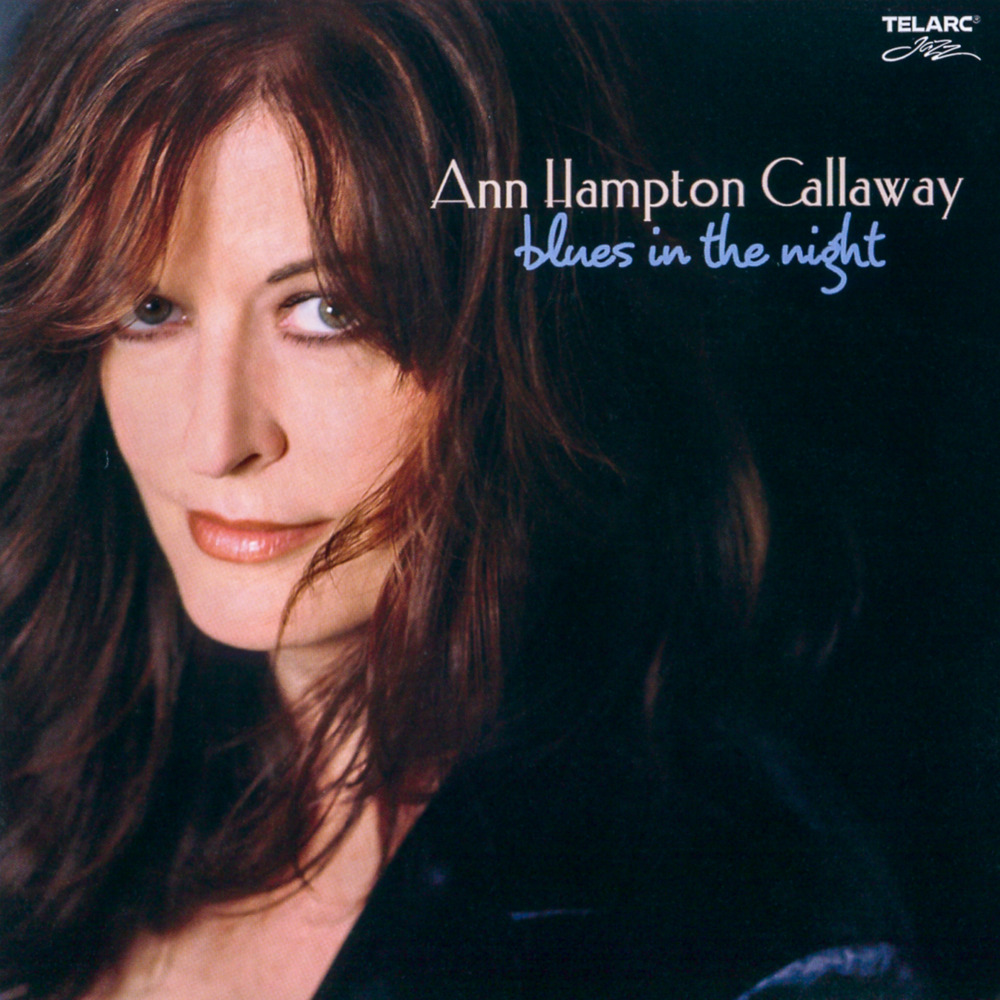
Ann Hampton Callaway's interpretation of "Willow Weep for Me" isn't just a song; it's a masterclass in sonic grief. The song presents a raw, almost biblical lament, opening with a direct plea to a higher power. The initial lines aren't just about sadness; they're about existential abandonment. The speaker questions why darkness has been "sent" to them, suggesting a profound loss that transcends mere romantic disappointment. This sets the stage for a deeper exploration of despair, where the absence of light symbolizes the absence of hope and divine favor. The invocation of the willow tree as a sympathetic figure elevates the personal sorrow to a universal level. The willow, traditionally a symbol of mourning, becomes a confidante and a mirror for the singer's pain.
The repeated request for the willow to weep underscores the singer's desire for external validation of her suffering. It's as if her grief is so immense that it requires a physical manifestation in the natural world. The lines about a "lovely summer dream" that's gone highlight the ephemeral nature of joy and the acute pain of its loss. This lost dream isn't just a relationship; it represents a period of happiness and fulfillment that has vanished, leaving behind only tears and regret. The imagery of weeping tears into the stream further emphasizes the overwhelming nature of her sorrow, suggesting a constant, unending flow of grief. The bridge is a poignant turning point, shifting from direct lament to a plea for concealment. The singer asks the wind to spread the story of love's betrayal and the night to hide the stars, indicating a desire to shield her vulnerability from the world.
Callaway's rendition transforms "Willow Weep for Me" into an intimate portrayal of heartbreak and isolation. The desire to be covered by the willow's branches as shadows fall speaks to a yearning for solace and protection from further pain. It's a moment of profound vulnerability, where the singer seeks refuge not just from the world but from her own overwhelming emotions. This is more than a song about lost love; it's an exploration of the depths of human sorrow and the search for empathy in a world that often feels indifferent. The song's enduring power lies in its ability to tap into the universal experience of grief and the human need for connection and understanding in times of despair.
 View Artist