Song Meaning
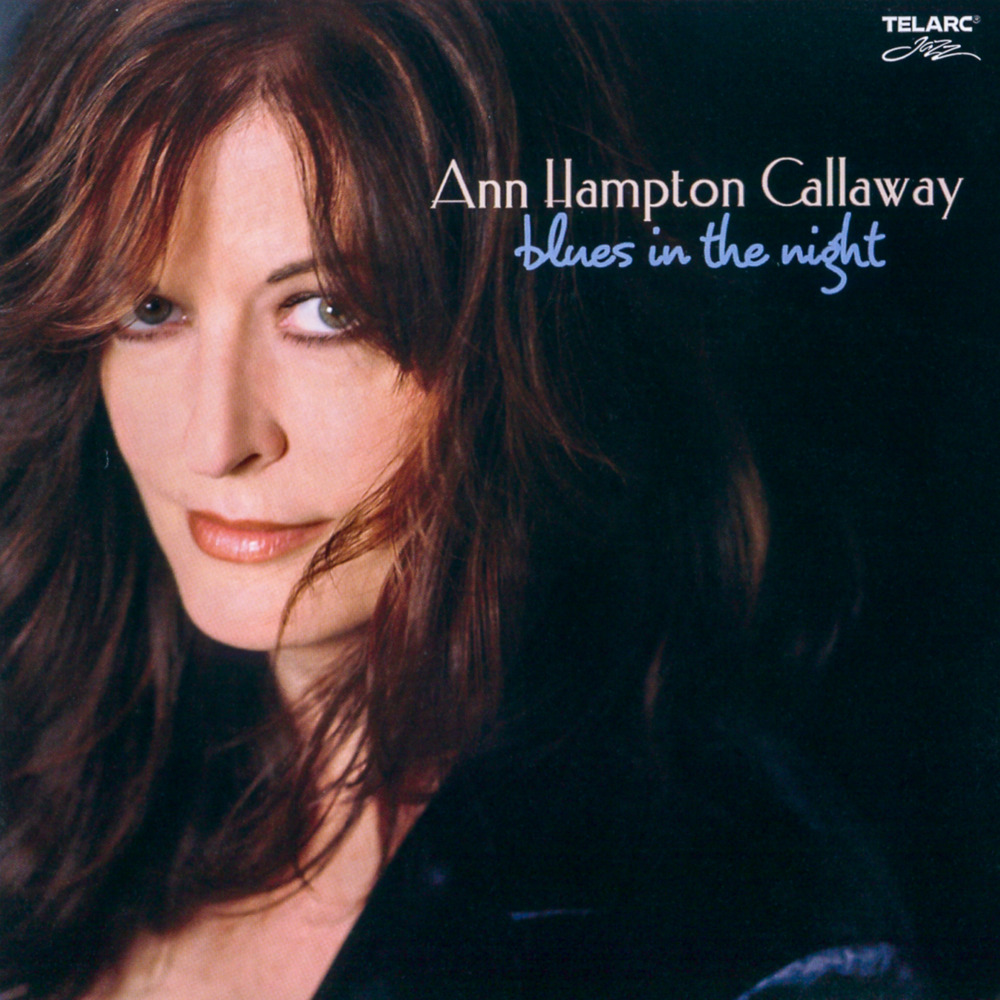
Ann Hampton Callaway's rendition of "It's All Right With Me" isn't just a breezy jazz standard; it's a masterclass in emotional negotiation. The song's surface simplicity belies a complex internal landscape, one where desire wrestles with unresolved longing. The core conceit—settling for 'wrong' but appealing substitutes—reveals a character caught in the push and pull of immediate gratification versus the lingering ache of a past love. It's a scenario ripe for psychological exploration: the allure of a 'charming face' or 'lovely smile' becomes a temporary balm for a deeper wound. The song meaning hinges on the tension between what's absent and what's present.
Callaway's interpretation leans into the bittersweet irony embedded within the lyrics. The repeated phrase, "It's not his… but it's all right with me," acts as both a justification and a quiet admission of defeat. The bridge, with lines like "There's someone I'm trying so hard to forget," cuts through the playful facade, exposing the vulnerability beneath. This isn't just about casual attraction; it's about the active—and perhaps futile—attempt to overwrite a painful memory. The listener is invited to ponder the ethics of using another person as a placeholder, a temporary fix for a broken heart.
The genius of "It's All Right With Me" lies in its refusal to fully resolve this moral ambiguity. The final repetition of "It's all right with me" doesn't signal contentment; instead, it echoes with a hint of resignation. We're left to wonder if this 'all right' is truly a form of acceptance, or simply a coping mechanism. Callaway's delivery, with its blend of sophistication and subtle melancholy, amplifies this ambiguity, transforming a seemingly lighthearted tune into a poignant exploration of love, loss, and the compromises we make along the way. The song's enduring appeal rests in its unflinching portrayal of human imperfection, reminding us that sometimes, 'all right' is the best we can hope for.
 View Artist