Song Meaning
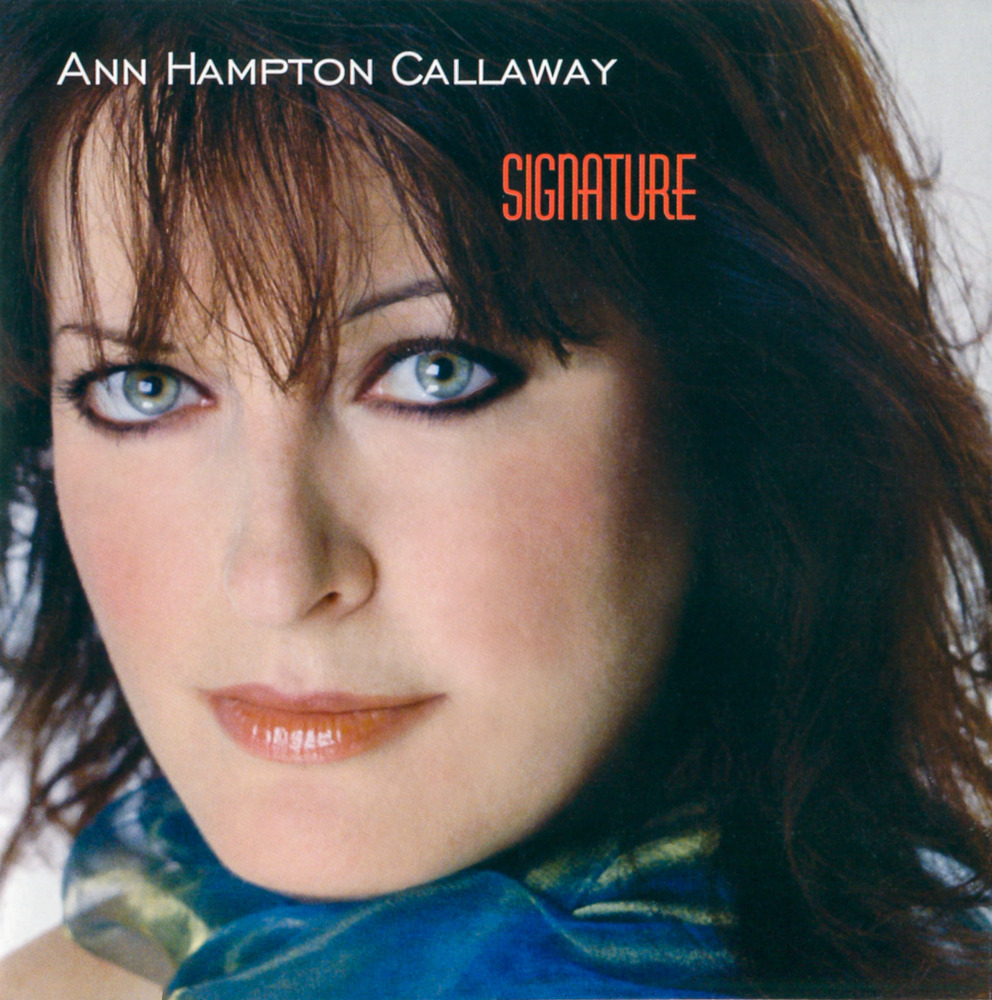
Ann Hampton Callaway's rendition of "For All We Know" isn't just a love song; it's a distilled shot of existential awareness. The lyrics, stark in their simplicity, confront the listener with the fragile, transient nature of existence. It's a theme familiar to anyone who's grappled with their own mortality, but Callaway delivers it with a grace that feels both comforting and unsettling. The opening lines, "For all we know we may never meet again/Before you go make this moment sweet again," aren't merely about romantic longing; they're a primal scream against the void. The acknowledgment that every encounter, every connection, could be our last forces us to confront the present with renewed urgency. It's a call to be present, to savor the fleeting moments of joy and intimacy. The lyrics’ beauty comes from their inherent sadness.
The song’s power lies in its exploration of uncertainty. The line "For all we know this may only be a dream" introduces a layer of metaphysical questioning. Are our experiences real, or merely phantoms of our imagination? This ambiguity amplifies the stakes. If life itself is dreamlike, then the connections we forge become even more precious, even more necessary to anchor us to reality. The image of "ripples on a stream" further emphasizes the ephemeral nature of our existence. We are transient beings, briefly touching the surface before disappearing into the unknown.
Ultimately, "For All We Know" encourages us to seize the moment, not in a hedonistic way, but with a deep appreciation for the beauty and fragility of life. The repeated plea to "love me tonight; tomorrow was made for some/Tomorrow may never come for all we know" is a poignant reminder that the future is not guaranteed. Callaway’s interpretation transforms a potentially maudlin sentiment into a powerful meditation on love, loss, and the human condition. It’s a song that stays with you, a subtle but persistent echo of our shared mortality.
 View Artist