Song Meaning
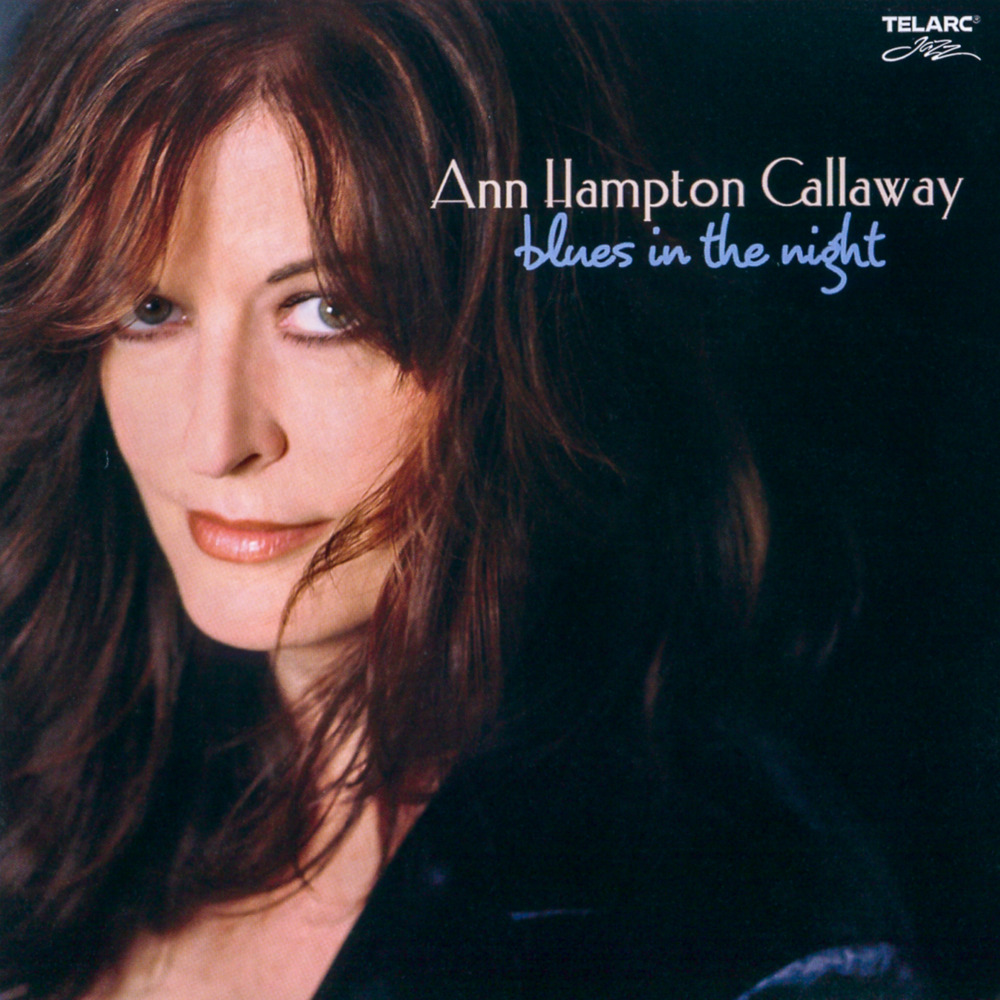
Ann Hampton Callaway's rendition of "Blue Moon" isn't just a classic; it's a masterclass in emotional transformation. The song meaning hinges on the stark contrast between a pre-love and post-love existence. The opening verse paints a portrait of profound loneliness. The singer actively *hates* the moonlight, a symbol usually associated with romance and beauty. For her, it's a reminder of emptiness, a 'bitter cup' she's forced to drink from as 'the saddest of all women.' This isn't passive melancholy; it's an active rejection of hope and connection. The early bedtime is a clear indicator that she has simply given up on love. It's a potent image of a life lived in quiet despair.
The titular "Blue Moon" itself acts as a silent witness, an almost voyeuristic observer of her solitude. The repetition of "without a dream in my heart / without a love of my own" underscores the depth of her emotional deprivation. But the genius of the song lies in its sudden shift. The bridge marks a turning point, a moment of unexpected grace. 'Suddenly' is the key word here. Love isn't earned or sought; it simply *appears*. The whispered invitation to 'adore me' is both intimate and vulnerable, suggesting a mutual recognition of need.
The final verse completes the transformation. The 'Blue Moon,' once a symbol of loneliness, now reflects the golden glow of newfound love. The singer is 'no longer alone,' her heart filled with dreams and affection. Callaway's interpretation highlights the transformative power of love, not just as a romantic ideal, but as a force capable of fundamentally altering one's perception of the world. It's a testament to the idea that even in the deepest despair, hope – and love – can emerge unexpectedly, turning the cold blue moonlight into radiant gold.
 View Artist