Song Meaning
The lyrics immediately plunge into a world of internal conflict, where anguish breeds confusion and guilt transforms into raw pain. There's a palpable fear of failing expectations, a "tortura viva" that seems to condemn the speaker. This intense self-reproach sets a heavy, somber tone from the outset.
The core tension revolves around a "prófugo sueño de amor sin dueño," a fugitive dream of love that lacks an owner and is "muriendo en su interior." This suggests an elusive affection, perhaps one never fully realized or lost, leaving the narrator grappling with a troubled conscience and desperate rationalizations for their actions. The repeated phrase underscores a central, fading hope.
The imagery deepens this sense of despair, particularly with the stark oxymoron "primavera negra," hinting at a period of supposed renewal that is instead bleak and ill-fated. The speaker describes a "desesperada solución" and a "turbia conciencia," suggesting morally ambiguous choices made under duress. This leads to a "silencio protector," an act of suppression that, ironically, leaves an indelible "marca de la piel," implying a permanent internal scar from unspoken truths.
The cumulative effect of these lyrics is a powerful portrayal of self-condemnation and the lingering consequences of unfulfilled hopes. The constant internal struggle, marked by doubt and fear, creates a deeply resonant portrait of someone trapped in their own mind, haunted by what could have been and the quiet scars of their choices. It's a raw exploration of how internal failure can leave an enduring mark.
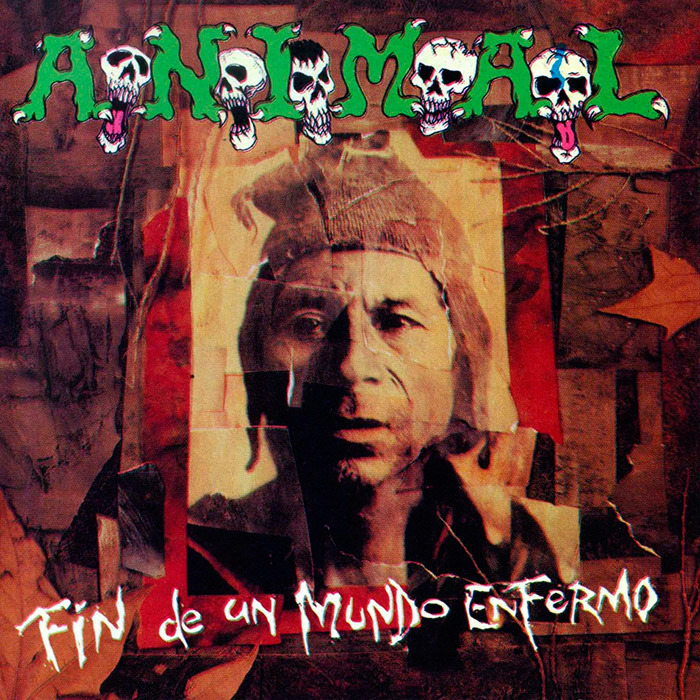
 View Artist