Song Meaning
This track paints a picture of unapologetic, reckless abandon. The narrator is living an "easy, free" existence, embracing a "one-way ride" with no intention of holding back. There's a defiant joy in their stride, a sense that they're actively choosing this path, even if it leads to a destructive end. The Spanish interjections, "sin razón, sin poesía," reinforce this idea of a life lived without conventional meaning or beauty, driven purely by the desire to keep moving and having a good time with friends.
The core tension lies in the narrator's enthusiastic embrace of their own downfall. They're not lamenting their choices; they're celebrating them. The repeated declaration, "I'm on the highway to hell," isn't a cry for help but a triumphant announcement. This is amplified by lines like "Nadie me detendrá, no hay limite de velocidad," suggesting an unstoppable momentum and a rejection of any external control or consequence. The narrator is actively steering towards their fate, finding exhilaration in the speed and the company.
The most striking element is the ironic twist in the bridge. After declaring their commitment to this destructive path, the narrator addresses "Satan" and "mama," claiming they've "paid my dues" and are heading to the "promised land." This juxtaposition of hellish imagery with a spiritual destination creates a powerful, almost blasphemous, sense of defiance. It suggests that for the narrator, this wild, uninhibited life, even if it leads to damnation, is their own version of salvation and fulfillment.
What makes these lyrics hit so hard is their raw, unvarnished celebration of chaos. The simple, direct language and the relentless repetition of the chorus create an infectious, almost hypnotic energy. The narrator's complete lack of regret, coupled with the audacious claim of reaching a "promised land" via hell, subverts expectations and leaves the listener with a potent feeling of exhilarating, albeit dangerous, freedom.
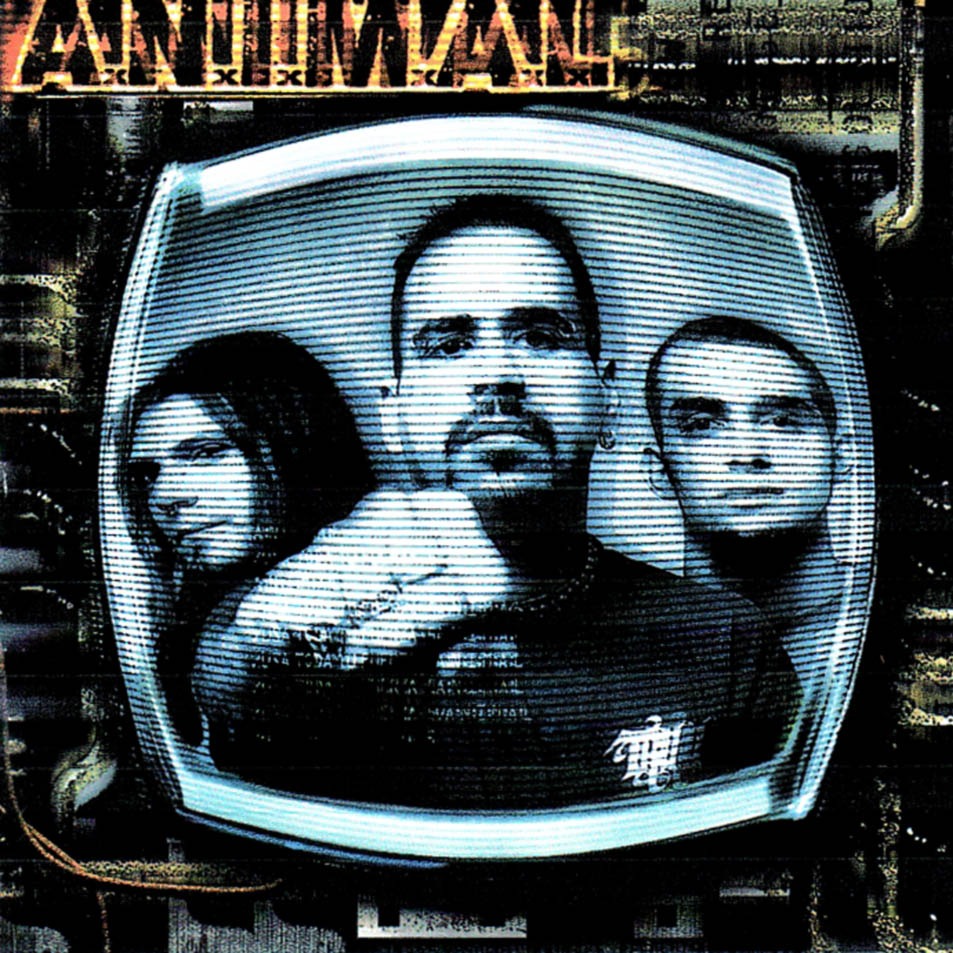
 View Artist