Song Meaning
The lyrics paint a stark picture of a people experiencing profound suffering and loss. The opening lines, "Vive su agonía / Muertos en la gente," immediately establish a tone of deep, almost existential pain, suggesting a spiritual or cultural death within the community. The phrase "Nadie escuchó su reclamo lejos de ser tan salvajes" hints at a history of being unheard and misunderstood, their pleas dismissed as primal or uncivilized.
The central conflict emerges from the clash between the natural world and human avarice. "Cielo compartido / Tierras que han perdido" speaks to a shared heritage and homeland that has been taken away. The lyrics directly attribute this loss to "Codicia cruel, la ignorancia," which "Marcó la piel del nativo," implying a lasting, visible scar left by exploitation and a lack of understanding.
A powerful theme is the enduring spirit in the face of erasure. Despite the hardships, "Lucharon por una causa que el hombre supo olvidar," their fight was for something significant, even if forgotten by oppressors. The assertion "El fuego de sus almas no se apagará" serves as a defiant counterpoint to their suffering, emphasizing an inextinguishable inner strength and resilience.
This resilience is further underscored by the description of the people as "Hijos de la tierra / Raza primitiva." While these terms might be used pejoratively by outsiders, the lyrics reframe them as a source of identity and connection to their roots. Their struggle, "Peleando sólo por vivir," is reduced to the most fundamental act of survival, yet it is imbued with the "fe de su pueblo" and a spirit "Resistiéndose a la destrucción," highlighting the profound dignity in their continued existence against overwhelming odds.
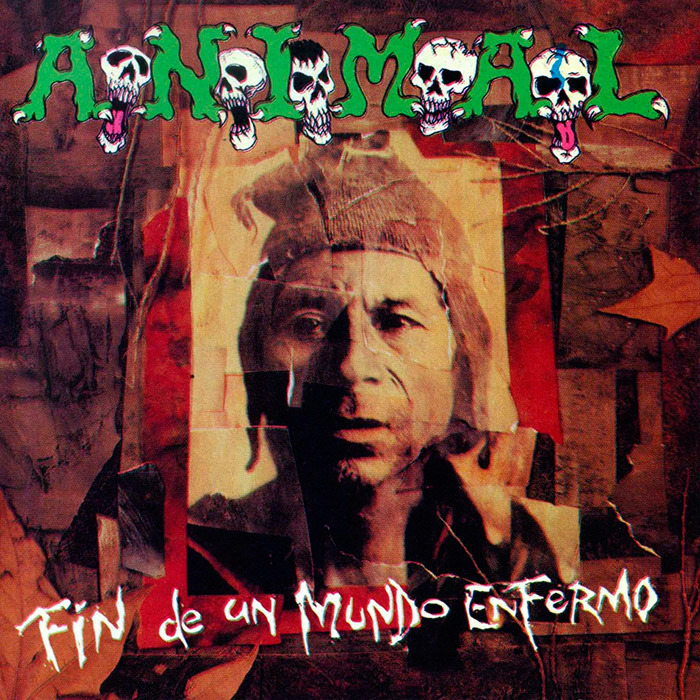
 View Artist