Song Meaning
Ani DiFranco's "Minerva" isn't just a song; it's a pointed declaration of artistic and personal boundaries. The opening lines paint a vivid picture of someone led astray, chasing fleeting distractions ("that shiny red ball") and finding themselves lost. But the core of the song meaning lies in the subsequent verses, where DiFranco confronts a projection – someone who confuses their own journey with hers, attempting to control or define her, likening it to nailing Minerva (the Roman goddess of wisdom and strategic warfare) to a bow. This isn't a love song; it's a battle cry against being reduced to a tool for someone else's self-discovery. The repeated assertion, "My job here is not to deliver you, but to hold a mirror," underscores her commitment to forcing self-reflection rather than offering easy answers or becoming a savior figure.
The lyrics analysis delves into the complex dynamic of artist and audience, or perhaps, individual and admirer. The plea, "Oh say can you see me over here?" isn't a desperate cry for attention but a challenge. It's a demand for recognition of her individuality, separate from the listener's projections and expectations. DiFranco expresses weariness with the role of entertainer, hinting at a deeper well of emotion that remains untapped. She suggests that true expression comes from a place of happiness, but that happiness might diminish the need to sing, implying a trade-off between personal well-being and artistic output.
The song's most poignant lines reveal the cost of this constant giving. "There's no me left for me," she laments, conveying a sense of depletion and loss of self. The absence of "incidental time of day" and "wild adventures" suggests a life consumed by external demands, leaving only darkness and unspoken experiences. "Minerva," therefore, is a powerful statement about the struggle to maintain autonomy, the burden of expectation, and the vital need to reclaim one's own identity in the face of external pressures. It's a raw, unflinching look at the artist's soul, reminding us that even those who create for us have a right to their own inner world.
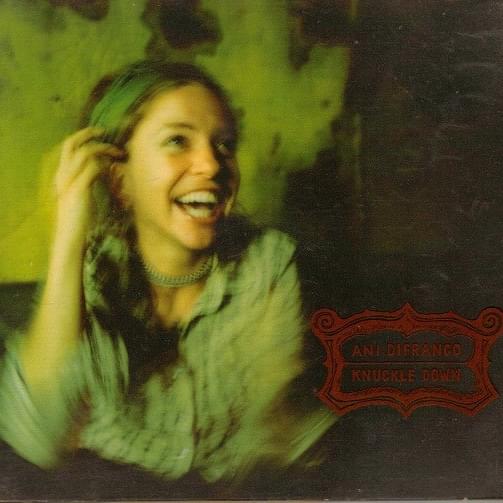
 View Artist