Song Meaning
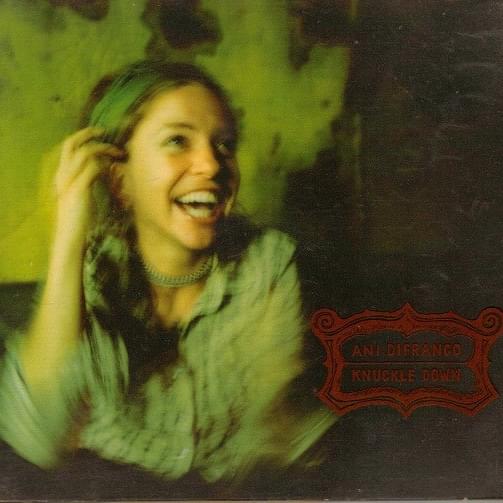
In "Callous," Ani DiFranco dissects the anatomy of a dissolving relationship with the precision of a surgeon and the vulnerability of a patient. The song isn't a simple breakup anthem; it's a raw, unflinching examination of emotional disconnect and the struggle to maintain empathy when faced with perceived manipulation. The opening lines, referencing the partner's history of "crying wolf," immediately establish a dynamic of distrust and the slow erosion of compassion. DiFranco lays bare the internal conflict of feeling obligated to care while simultaneously experiencing a growing detachment – the titular "callous" forming as a defense mechanism. The song's brilliance lies in its refusal to paint either party as a pure victim or villain; both are flawed, contributing to the relationship's demise.
DiFranco's lyrics hint at a fundamental incompatibility, a clash in coping mechanisms and emotional expression. "It was my work that kept me upright, so you called it a crutch" suggests a partner who undermines her independence and self-reliance. The recurring motif of forced emotions – "You can't will yourself happy, you can't will your cunt wet" – underscores the futility of pretending, of trying to force a connection that simply isn't there. It's a powerful statement about the importance of authenticity and the destructive consequences of emotional repression within a relationship. The line about standing at the station, pretending to be met, is particularly evocative, illustrating the loneliness and delusion inherent in clinging to a dead connection.
The contrasting images of love – "My love is a stream, your love is a vaudeville show" – encapsulate the core of their incompatibility. DiFranco's love is presented as natural, flowing, and perhaps understated, while her partner's is performative, attention-seeking, and ultimately, "obscene" in its artificiality. In the final verse, DiFranco acknowledges the shared good times but admits to fulfilling the predictions of those who doubted the relationship's longevity: "And then I hated to prove 'em all right / All those who said I'd run." This line reveals a sense of resignation and perhaps even a touch of self-loathing, acknowledging the pain caused by her departure while simultaneously recognizing its necessity. "Callous," in its stark honesty and psychological depth, offers a compelling analysis of a relationship suffocated by emotional dishonesty and the difficult process of letting go.
 View Artist