Song Meaning
The lyrics paint a picture of someone feeling mocked by their circumstances. The repeated phrase "it's laughing at me" establishes a tone of helplessness and public humiliation, as if an unseen force is finding amusement in the narrator's struggles. This feeling is so potent that it dictates the narrator's actions, pushing them towards a perceived end.
The core tension lies in the cyclical nature of despair and the attempt to break free. The narrator describes a love that is "beginning to end," a state of decay already in motion. This leads to a desperate act: "I ended the end." This phrase is deliberately paradoxical, suggesting an attempt to not just stop the ending, but to obliterate the very concept of ending itself, perhaps by embracing a finality or by radically altering the trajectory of the situation.
The most striking aspect of the craft here is the manipulation of the word "end." It's used to signify the conclusion of love, the state of being finished, and then, crucially, the act of stopping that conclusion. This linguistic gymnastics highlights the narrator's frantic, almost nonsensical effort to escape a predetermined fate. The repetition of "laughing at me" bookends these attempts, reinforcing the idea that even their efforts to escape are met with the same derision.
This writing is effective because it captures a specific, raw feeling of being overwhelmed and ridiculed by life's events. The simple, direct language and the insistent repetition create an almost hypnotic effect, drawing the listener into the narrator's disorienting experience. The resolution, or lack thereof, leaves the listener with the lingering sense of that persistent, mocking laughter.
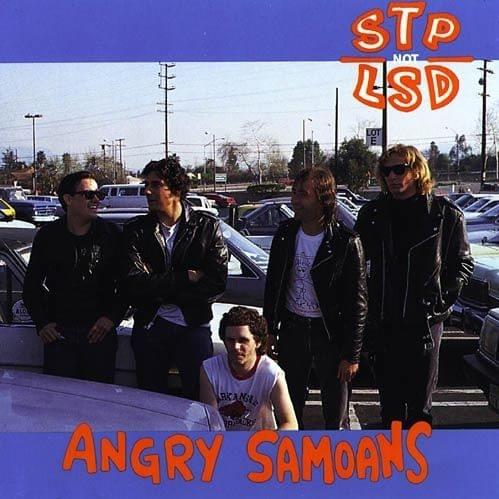
 View Artist