Song Meaning
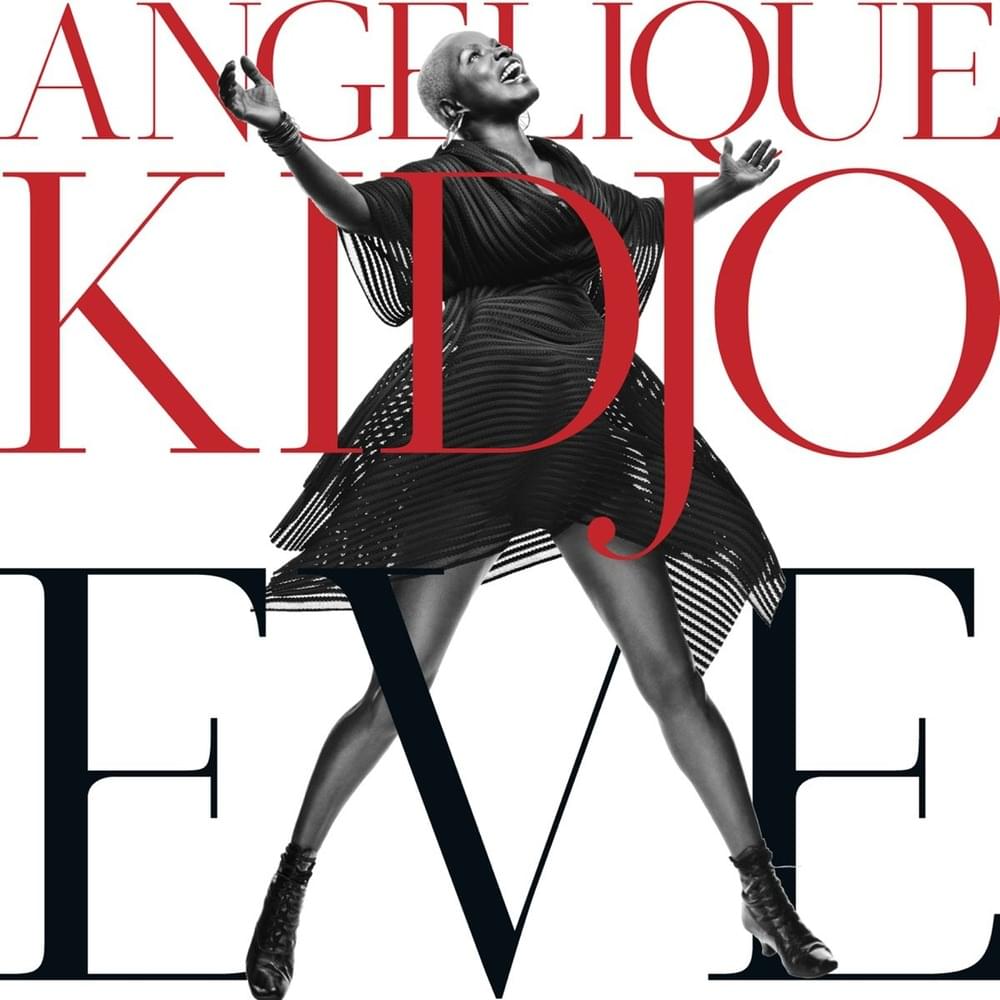
Angélique Kidjo's "Interlude: Wayi" isn't merely a pause within a larger work; it's a concentrated burst of spiritual energy. Though brief, the lyrics, sung in Fon, pulse with invocations and ancestral echoes, immediately grounding the listener in a specific cultural and spiritual landscape. The repeated phrase "Wayi" acts as a mantra, a call to something ancient and powerful, setting the stage for a deeper connection to the vodun tradition. The interlude functions as a sonic cleansing, preparing the listener for what's to come, both musically and emotionally.
The lyrics weave together natural elements and deities. References to "Hwɛɖo e, atin, azǎn vodun" (roughly translated as "Hwedo, tree, day vodun") suggest a reverence for the interconnectedness of nature and the divine. The phrase "Cavolo-vosu e, e ya" further cements this link, evoking specific vodun spirits. These aren't abstract concepts; they're living forces within the world, called upon for guidance or protection. The song’s power resides in its ability to make the listener feel this presence, even without fully understanding the language.
Ultimately, "Interlude: Wayi" transcends simple linguistic translation. The repeated calls, the rhythmic chanting, and the sheer force of Kidjo's vocal delivery create an atmosphere of profound spiritual significance. The final lines, "Vivu na zě mɛnxo t'ayi ɖo kɔ na mi / Kɔ wɛ e na kpɛn na we, ahǒo," hint at a desire for inner peace and strength, perhaps a plea for wisdom to be bestowed upon the listener. The song serves as a reminder of the deep well of cultural and spiritual heritage that informs Kidjo's artistry, transforming a brief interlude into a moment of potent, almost ritualistic, beauty.
 View Artist