Song Meaning
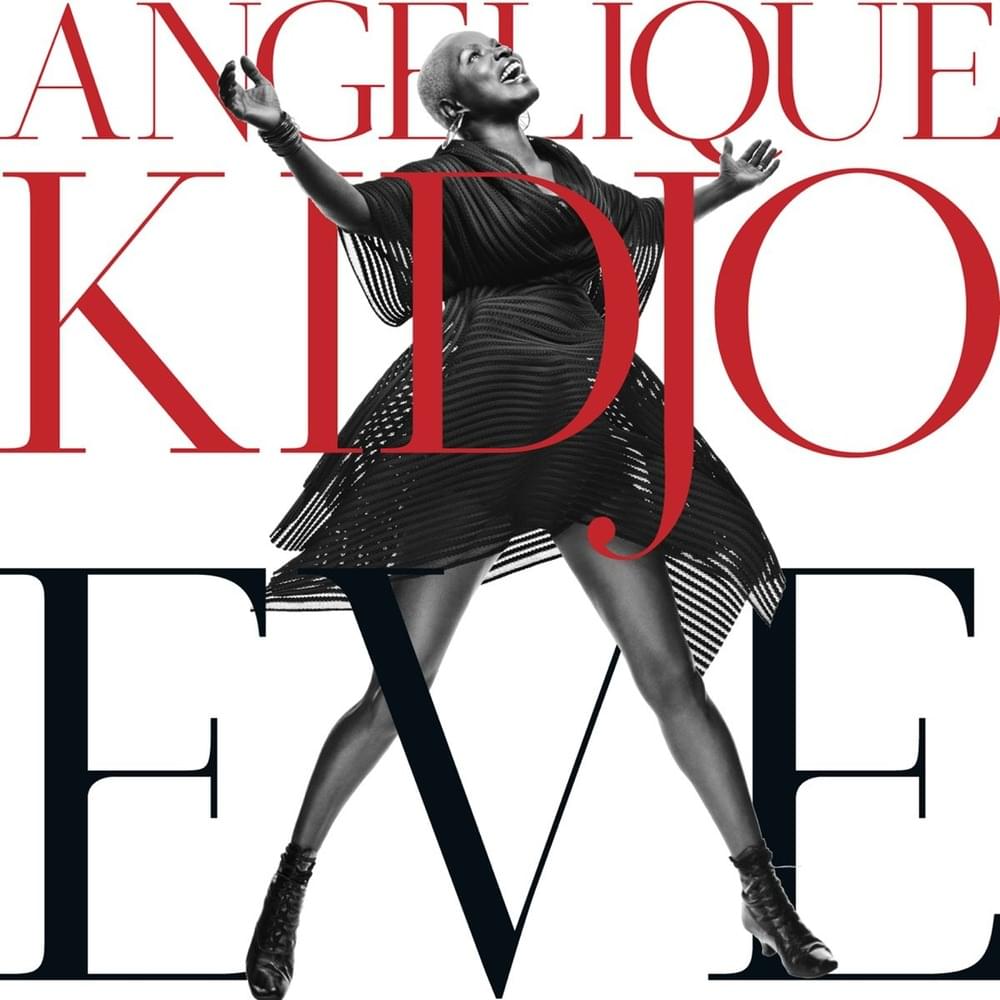
Angélique Kidjo's "Blewu" isn't just a song; it's a spiritual directive wrapped in the hypnotic pulse of West African rhythm. The cyclical nature of the lyrics, repeating phrases like a mantra, immediately establishes a space for contemplation. While a direct translation might offer a surface-level understanding, the true song meaning lies in its emotional resonance. The plea "Blewue mia d'aƒe lo" acts as both a beckoning and a reminder of home, perhaps not a physical space, but a state of spiritual belonging. Kidjo uses this repetition to create a sonic anchor, pulling the listener inward. The song's genius lies in its simplicity, mirroring the core tenets of faith and introspection. Like a koan, the repeated phrases invite deeper pondering, hinting at themes of perseverance and hope.
The lyrics shift from comforting invocation to urgent warning. Lines like "Đɔɖɔɖɔ kpɔ̃ me yɔna azɔ̃li o" (the toad does not call the lizard its brother) suggest a call for discernment, a need to recognize false allies or deceptive appearances. This isn't naive optimism; Kidjo acknowledges the presence of adversity. The subsequent lines, "Mawu si me miele, eya koe nya mia agbemenyawo" (the God in whom we live, He alone knows our life's story), offer solace. The acknowledgment that a higher power understands our struggles provides a counterbalance to the preceding caution, reinforcing the idea that faith provides perspective amidst chaos.
The song culminates in a direct imperative: "Minɔ ŋudzɔ mido gbe ɖa" (be awake and pray). This isn't passive acceptance, but an active engagement with one's spiritual life. The repetition emphasizes the urgency of vigilance and prayer, suggesting a need for constant awareness and connection to something greater than oneself. "Blewu" operates as a powerful, affecting expression of faith – less a pronouncement and more an intimate, deeply personal conversation with the divine. It's a reminder that even in the face of uncertainty, hope and connection remain our most vital resources.
 View Artist