Song Meaning
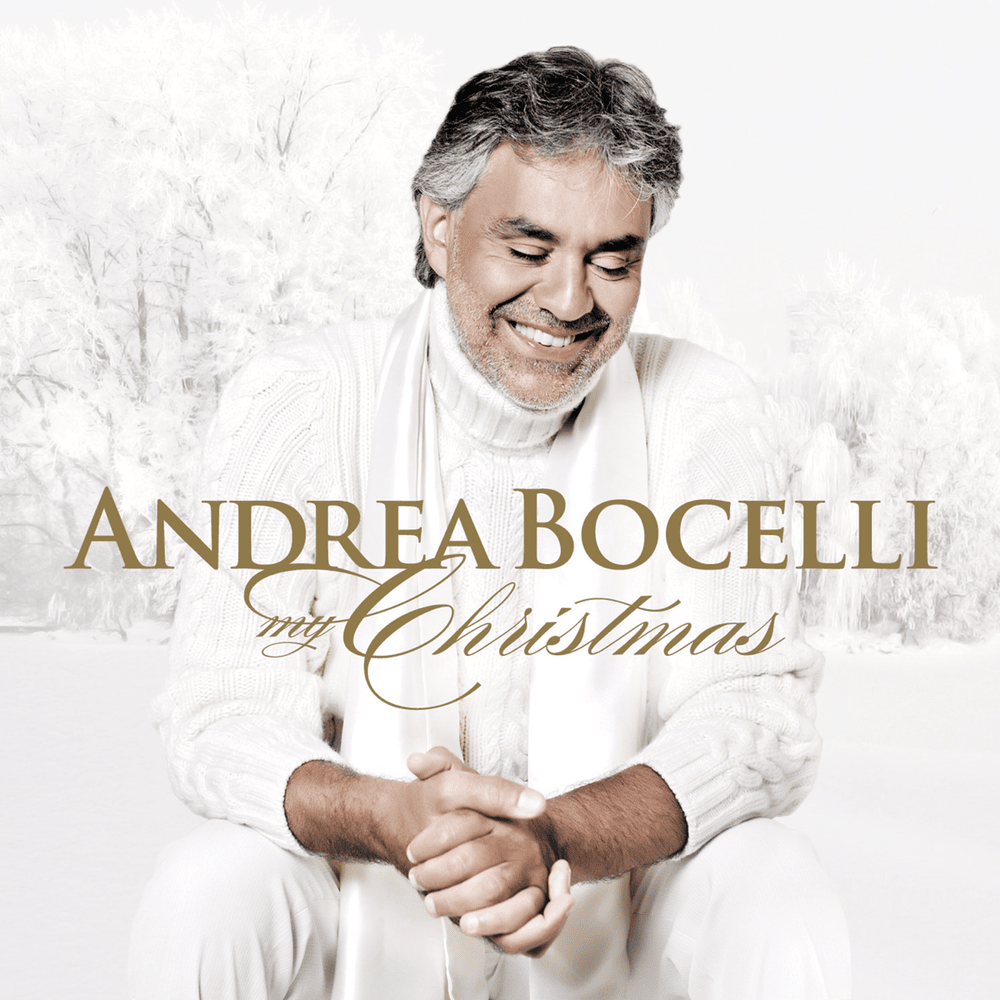
{"song_id": 13854944, "meaning": "Andrea Bocelli's rendition of \"White Christmas / Bianco Natale\" is more than just a holiday classic; it's a poignant exploration of nostalgia and the idealized past. The song's simple, repetitive lyrics—\"I'm dreaming of a white Christmas, just like the ones I used to know\"—immediately establish a yearning for a bygone era, a time perceived as more innocent and magical. This longing isn't just for snow; it’s for the complete sensory experience of a perfect Christmas, where \"treetops glisten\" and children are captivated by the sound of \"sleigh bells in the snow.\" Bocelli's operatic delivery, however, elevates the sentiment beyond mere sentimentality, injecting a layer of almost melancholic reflection.
The repeated phrase \"just like the ones I used to know\" is crucial to understanding the song's deeper meaning. It highlights the inherent human tendency to romanticize the past, often overlooking its complexities and focusing instead on idealized memories. This selective recollection serves as a psychological comfort, a refuge from the present's anxieties and uncertainties. The act of writing Christmas cards, mentioned in the lyrics, becomes a symbolic gesture of extending this idealized vision to others: \"May your days be merry and bright, and may all your Christmases be white.\" It's a wish not just for a snowy holiday, but for a shared experience of joy and contentment rooted in this collective nostalgia.
While seemingly straightforward, \"White Christmas\" sung by Bocelli taps into the universal human desire for a simpler, more beautiful world, even if that world exists primarily in our memories. The song's enduring appeal lies in its ability to evoke this feeling, offering a temporary escape into a realm of pure, unadulterated Christmas magic. It's a reminder of the power of shared cultural experiences and the comfort we find in collective nostalgia, especially during the holiday season. The song's meaning becomes less about the literal description of a white Christmas, and more about the emotional landscape of longing, hope, and the enduring power of memory."}
 View Artist