Song Meaning
{"song_id": 13855056, "meaning": "Andrea Bocelli's \"Por Amor\" isn't merely a ballad; it's a psychological autopsy of love's wreckage. The lyrics, sung in Spanish, paint a picture of a speaker intimately familiar with the subject's journey, almost to a possessive degree. He knows her path, her anxieties, the obstacles she'll face. This isn't just empathy; it's a claim of knowing her better than she knows herself, hinting at a relationship built on uneven ground, perhaps even a touch of emotional manipulation. The repeated phrase, \"Yo conozco tu camino\" (I know your path), feels less like a comforting promise and more like a subtle assertion of control. This dynamic immediately sets the stage for a power imbalance, a theme that permeates the entire song. The repeated questions—\"¿Has corrido sin aliento?\" (Have you run out of breath?) \"¿Cuánto de ti has puesto?\" (How much of yourself have you put in?)—become accusatory, loaded with a subtle undercurrent of resentment. He's not simply asking; he's auditing her emotional investment, measuring her sacrifice against some unspoken standard.
The imagery in “Por Amor” reinforces this sense of internal struggle and potential self-deception within a relationship. The speaker describes the sky falling into him, rivers flooding him, and the sea shipwrecking within him. These cataclysmic metaphors underscore the overwhelming nature of love, but also its potential to consume and destroy. He witnesses her giving everything, attempting to stop the wind – futile acts of devotion. The core question becomes: at what cost? The 'agonía' (agony) he refers to speaks not only to the pain of unrequited or lost love, but also the agony of a love built on unsustainable sacrifices and the inevitable disillusionment that follows. There’s a sense that one partner has poured everything into the relationship, only to find themselves depleted and the other, perhaps, still wanting.
Ultimately, the song meaning of \"Por Amor\" isn't just about the pain of lost love; it's a cautionary tale about the dangers of imbalanced devotion and the potential for self-annihilation in the pursuit of romantic ideals. Bocelli's powerful vocals amplify the emotional weight of the lyrics, transforming a simple ballad into a profound exploration of the psychology of love, loss, and the haunting question of whether the sacrifices made were truly worth it. The final lines, expressing the difficulty of not having her as his own, add a layer of selfish desire to the complex tapestry of emotions, solidifying the analysis of a love that was perhaps never truly selfless."}
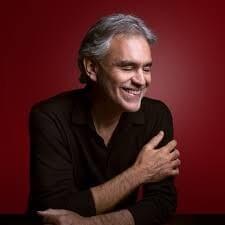
 View Artist