Song Meaning
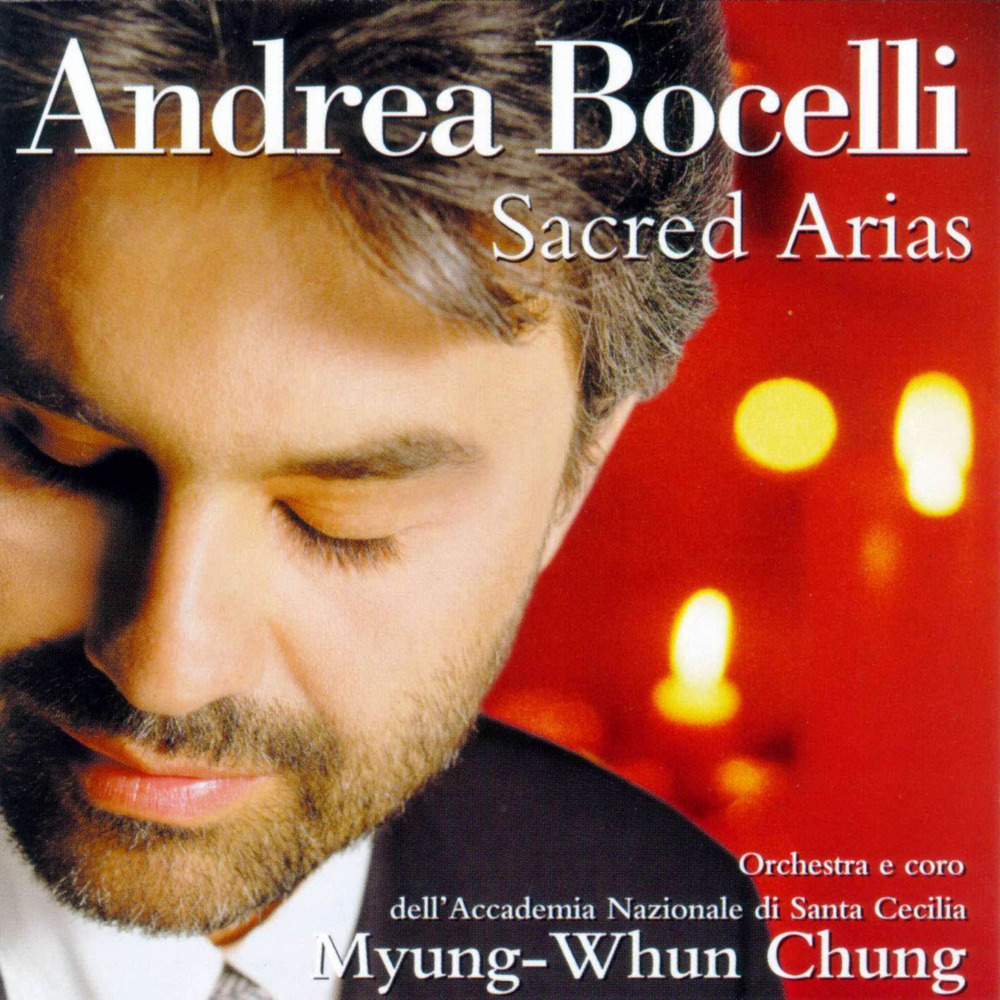
{"song_id": 13857230, "meaning": "Andrea Bocelli's \"Ingemisco\" isn't just a vocal performance; it's a raw, operatic plea for redemption that claws at the listener's soul. The Latin text, steeped in religious tradition, paints a portrait of a sinner utterly consumed by guilt. The opening line, \"Ingemisco tamquam reus,\" immediately throws us into the depths of despair, translating to \"I groan as one accused.\" This isn't a subtle request; it's a primal scream of remorse, amplified by Bocelli's signature tenor. The blush of shame, \"Culpa rubet vultus meus,\" isn't merely a physical reaction but a profound acknowledgment of moral failing.
The lyrics hinge on the idea of divine mercy, referencing the absolution of Mary Magdalene and the forgiveness granted to the thief on the cross. \"Qui Mariam absolvisti / Et latronem exaudisti / Mihi quoque spem dedisti\" speaks to the universal hope for redemption, even for the most fallen. Bocelli's delivery underscores this tension between abject humility (\"Preces meae non sunt dignae\" – \"My prayers are not worthy\") and unwavering faith in divine grace. The music swells and dips, mirroring the ebb and flow of hope and despair.
Ultimately, the song's meaning revolves around a desperate desire for inclusion among the righteous. The imagery of separating sheep from goats, a classic biblical metaphor for judgment, is central. The singer begs to be placed among the sheep, \"Inter oves locum praesta,\" and separated from the goats, \"Et ab haedis me sequestra.\" This isn't just about avoiding eternal fire; it's about finding belonging, acceptance, and ultimately, peace. The repetition of this plea reinforces the depth of the singer's yearning and the universality of the human desire for forgiveness."}
 View Artist