Song Meaning
Andrea Bocelli's "I Love Rossini" isn't a straightforward aria of adoration, but a nuanced exploration of lingering affection and the sting of gossip. The song paints a scene of quiet observation: the narrator overhears a former lover speaking about him to a friend in a cafe. This immediately establishes a dynamic of indirect communication and unresolved feelings. The line, "E anche se vicina ti nascondi sai perche / Perche tu stai parlando ancor di me" speaks volumes about the hesitancy and emotional distance that now defines their relationship. She's physically present, yet emotionally concealed, still processing their past. The mention of Rossini is more than a casual aside; it's a symbolic bridge. It represents a shared cultural touchstone, a moment of connection that seemingly impressed her initially ("Io ti dissi I love Rossini / Lei conosce l'opera Italiana"). Opera, with its inherent drama and heightened emotions, becomes a metaphor for the passionate, yet ultimately flawed, nature of their romance. He attempts to rekindle that initial spark, using their shared love of Italian opera as a way back in.
The lyrics acknowledge the role that rumors and misunderstandings played in their separation. "La calunnia e un venticello perfido," he sings, referencing the insidious nature of gossip, a theme that echoes the opera buffa style often associated with Rossini. He believes that his former lover gave too much credence to these "chiacchiere" (idle chatter), allowing external influences to poison their connection. This points to a potential fragility in their relationship, a lack of trust or perhaps an inability to communicate openly and directly. The cafe setting, with its aroma of coffee and the presence of gelato, creates a bittersweet backdrop. It's a place of shared memories, now tinged with regret and the awkwardness of unspoken feelings.
Ultimately, "I Love Rossini" is a song about the struggle to let go. The narrator is caught between wanting to move on and being unable to forget the past. His act of singing about her, while she's simultaneously talking about him, highlights the circular nature of their unresolved emotions. The repeated lines, "Tu non mi sai dementicar" and "Perche io non ti so scordar," underscore the mutual inability to fully disconnect. This creates a sense of emotional stasis, a poignant portrait of two people bound by a shared history, yet unable to fully reconcile or move forward. The song becomes a quiet, desperate plea for understanding and perhaps, a second chance, couched within the familiar comfort of a shared love for Italian opera.
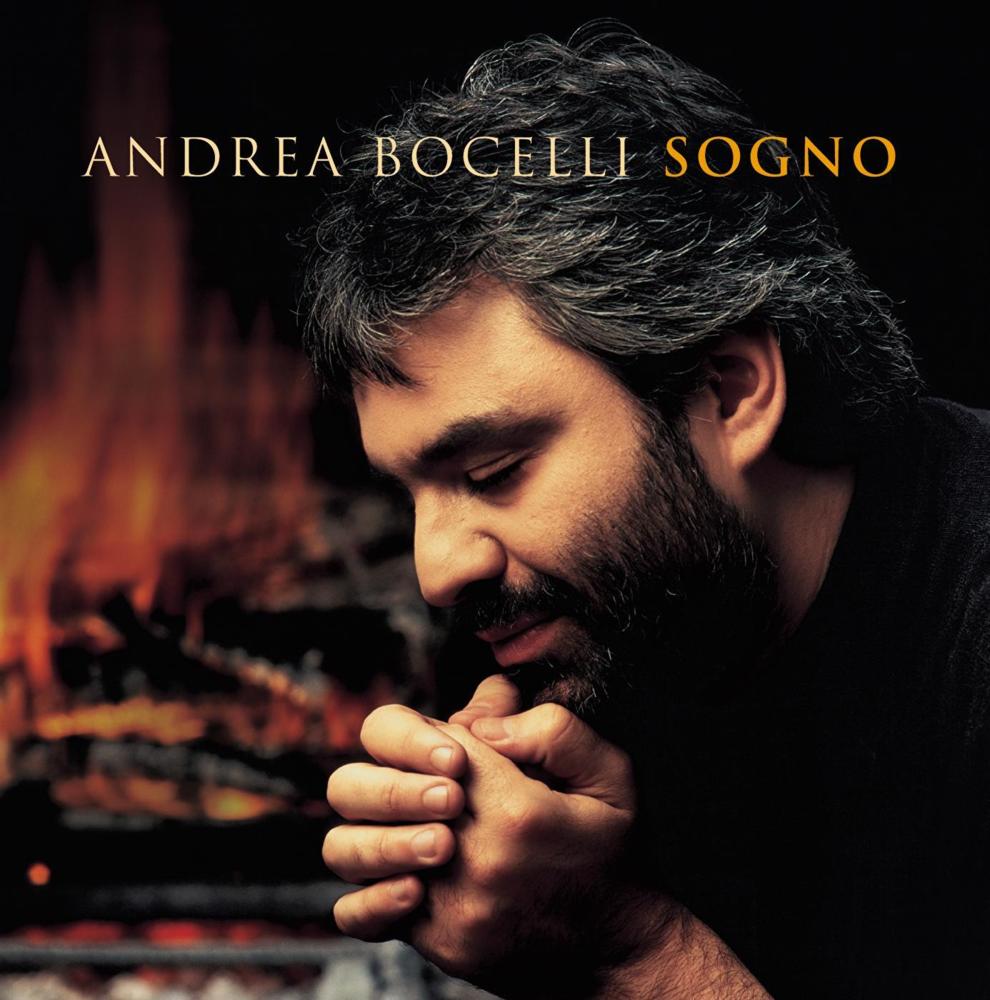
 View Artist