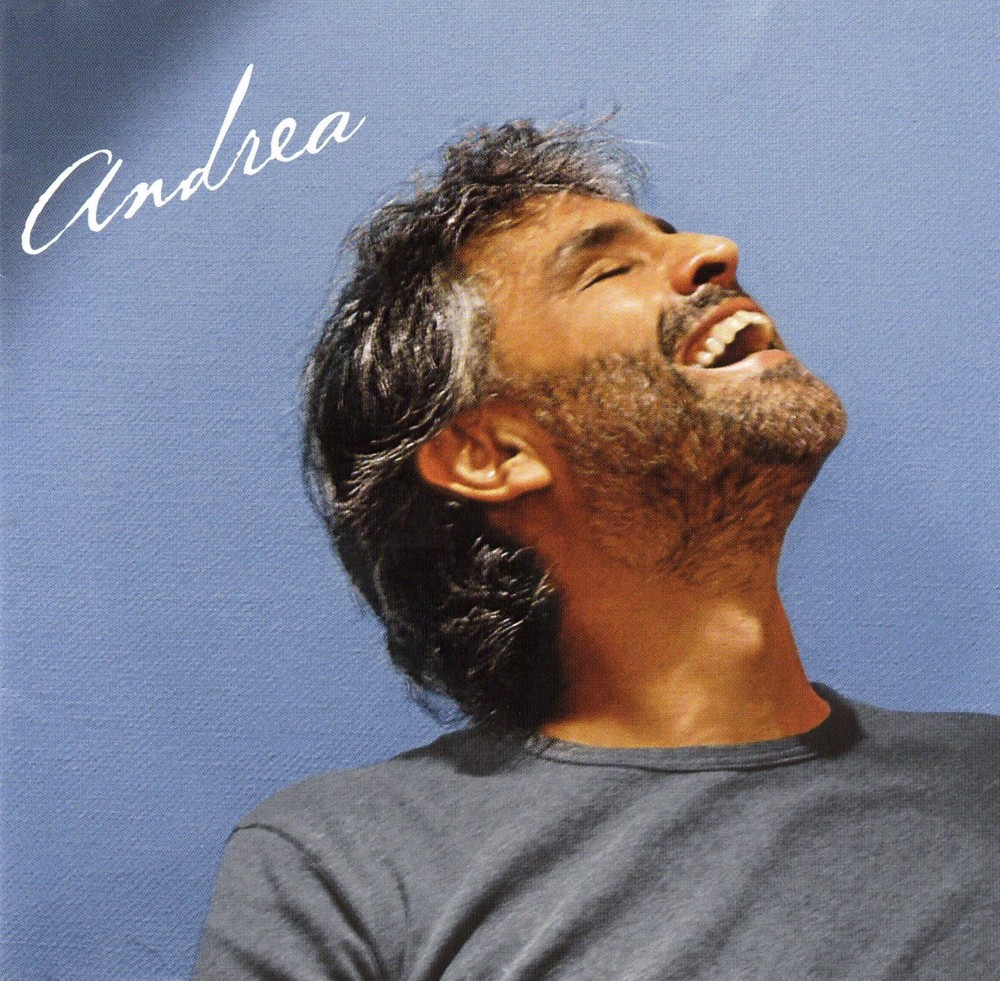
Song Meaning
Andrea Bocelli's "Go Where Love Goes" isn't just a sentimental ballad; it's a carefully constructed invitation to emotional and spiritual rebirth. The lyrics deliberately bypass earthly concerns, opting instead for a realm of pure feeling. Phrases like "fly in my mind / To a place / Peaceful and full of grace" suggest an escape from the mundane, a conscious choice to prioritize inner experience. The repetition of "Go where love goes / Go where your heart leads" acts as a mantra, urging the listener toward a path dictated not by reason, but by the heart's inherent longing. The "angels are pleading with you" motif adds a layer of celestial encouragement, framing the pursuit of love as something divinely ordained. This isn't merely romantic love; it's a transformative force.
The song's most striking image emerges with the lines "Gather me in your arms / Hold me close like Lazarus / To rise again like a bird." This is a potent metaphor for emotional resurrection. Lazarus, famously raised from the dead, becomes a symbol of profound healing and renewal. The comparison suggests that love has the power to pull us from our own metaphorical tombs, to restore us to a state of vibrant, unburdened existence. The following lines, "To fly again / In flowers dreams / So love can feed your soul," reinforce this idea of spiritual nourishment and liberation. Bocelli isn't just singing about feeling good; he's articulating a vision of love as the key to unlocking our full potential.
Ultimately, "Go Where Love Goes" functions as a sophisticated pep talk, wrapped in Bocelli's signature operatic style. The repeated assertions that "Love makes the rainbow / Love is the dawn's glow / Love makes the rose grow" present love as the source of all beauty and vitality in the world. It's an uncomplicated, yet deeply affecting message, made all the more compelling by the inherent vulnerability in Bocelli's delivery. He's not just telling us to seek love; he's embodying the yearning itself. The song's meaning lies not in lyrical complexity, but in its unwavering commitment to the redemptive power of emotion.