Song Meaning
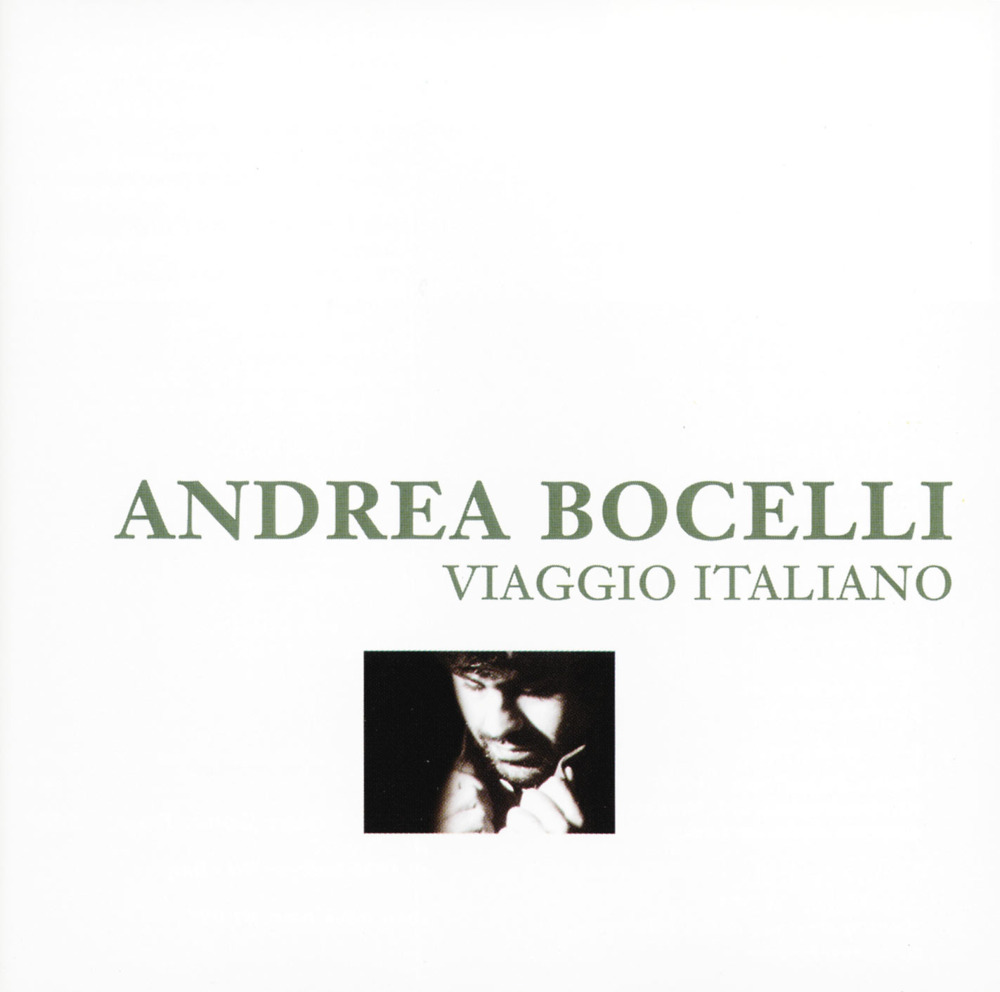
Andrea Bocelli's rendition of "Franz Schubert - Ave Maria" transcends mere performance; it becomes a sonic embodiment of humanity's yearning for grace. The lyrics, a traditional prayer in Latin, are deceptively simple. Yet, within their repetition lies a profound depth. Bocelli's interpretation doesn't just present the words; it excavates the emotional architecture beneath them. The opening lines, "Ave Maria, gratia plena," establish a direct appeal to the Virgin Mary, a figure representing purity and divine favor. The repetition emphasizes the supplicant's urgent need for intervention, a desperate plea echoing through centuries of human suffering. It is not just a greeting, but an invocation.
The heart of the prayer, "Ora pro nobis peccatoribus" (Pray for us sinners), exposes the raw nerve of human fallibility. Bocelli’s delivery infuses this line with a potent mix of contrition and hope. The inherent duality—acknowledging our imperfections while simultaneously seeking redemption—is what gives the song its enduring power. The singer's voice becomes a conduit for collective guilt and aspiration, a fragile bridge between earthly frailty and the promise of divine mercy. It is a stark reminder that even in moments of profound spiritual seeking, we are tethered to our imperfect selves.
The concluding supplication, "In hora mortis nostrae" (At the hour of our death), confronts mortality head-on. This isn't just about physical death; it's about the myriad ways we experience endings – the death of relationships, dreams, and illusions. Bocelli’s interpretation transforms this line from a morbid acceptance into a defiant whisper of hope against the encroaching darkness. The repetition of "Ave Maria" at the close suggests a return to the initial plea, a cyclical acknowledgement of our dependence on something greater than ourselves in the face of life's ultimate mystery. It's a prayer for solace, a plea for peace, and a testament to the enduring human need for faith in the face of the unknown.
 View Artist