Song Meaning
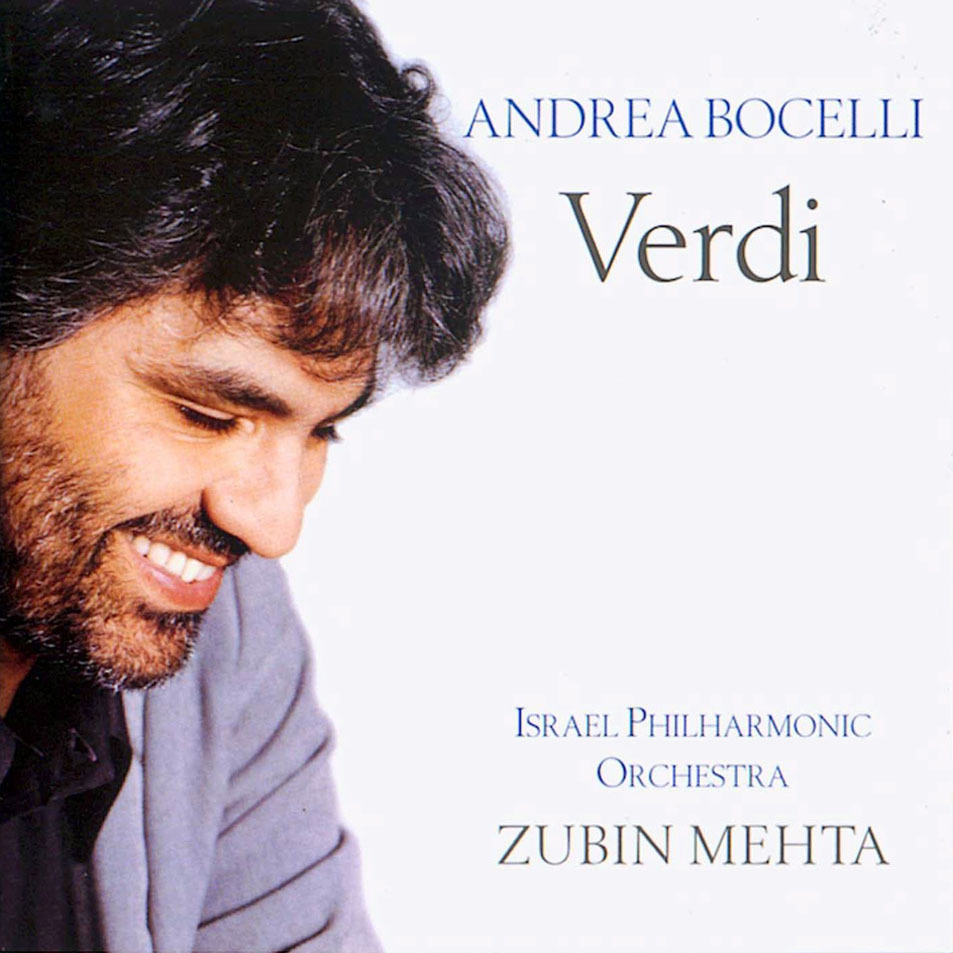
Andrea Bocelli's rendition of "Ella mi fu rapita!" is a raw, operatic explosion of grief and vengeful intent. The song, a classic tenor aria, plunges us into the immediate aftermath of a devastating loss: the abduction of the singer's beloved. It's not just sadness that permeates the lyrics; it's a primal scream of betrayal and helplessness. The opening lines paint a vivid picture of frantic pursuit, the singer arriving just moments too late to find an empty house, a chilling testament to the swift and brutal nature of the kidnapping. The psychological impact is profound; he's not simply lost a lover, but a moral compass, someone whose purity and modesty inspired him towards virtue. This elevates the loss to something almost existential, a tearing away of his own potential for good. The question "E dove ora sarà quell'angiol caro?" (And where will that dear angel be now?) echoes with both anguish and a desperate hope for her safety.
The aria swiftly transitions from lament to a vow of retribution. The lines "Ma ne avrò, ma ne avrò vendetta..." (But I will have, I will have revenge...) are not a cool, calculated threat, but a white-hot promise fueled by the "pianto della mia diletta" (the weeping of my beloved). This imagined suffering of his lover is the catalyst for his rage, transforming him from a heartbroken man into a vengeful force. The lyrics become intensely personal, focusing on his memory of her desperate cries for help during the abduction. The singer imagines her calling out his name, 'Gualtier,' in the face of "subito periglio" (sudden danger), a moment of agonizing impotence for him, knowing he couldn't protect her.
Bocelli's delivery amplifies the song's inherent drama. He skillfully conveys the shift from tender reminiscence to furious determination. The final verses, dwelling on his selfless love – "Ei che le sfere agli angeli per te non invidiò" (He who did not envy the spheres of the angels for you) – underscores the depth of his devotion and, consequently, the magnitude of his pain. He would have given her everything, even foregoing paradise itself. This intense emotion is what makes the subsequent thirst for vengeance so compelling. "Ella mi fu rapita!" is more than just a song about lost love; it’s a psychological portrait of a man driven to the edge by despair, his grief twisting into a burning desire for justice, or perhaps more accurately, for bloody revenge.
 View Artist