Song Meaning
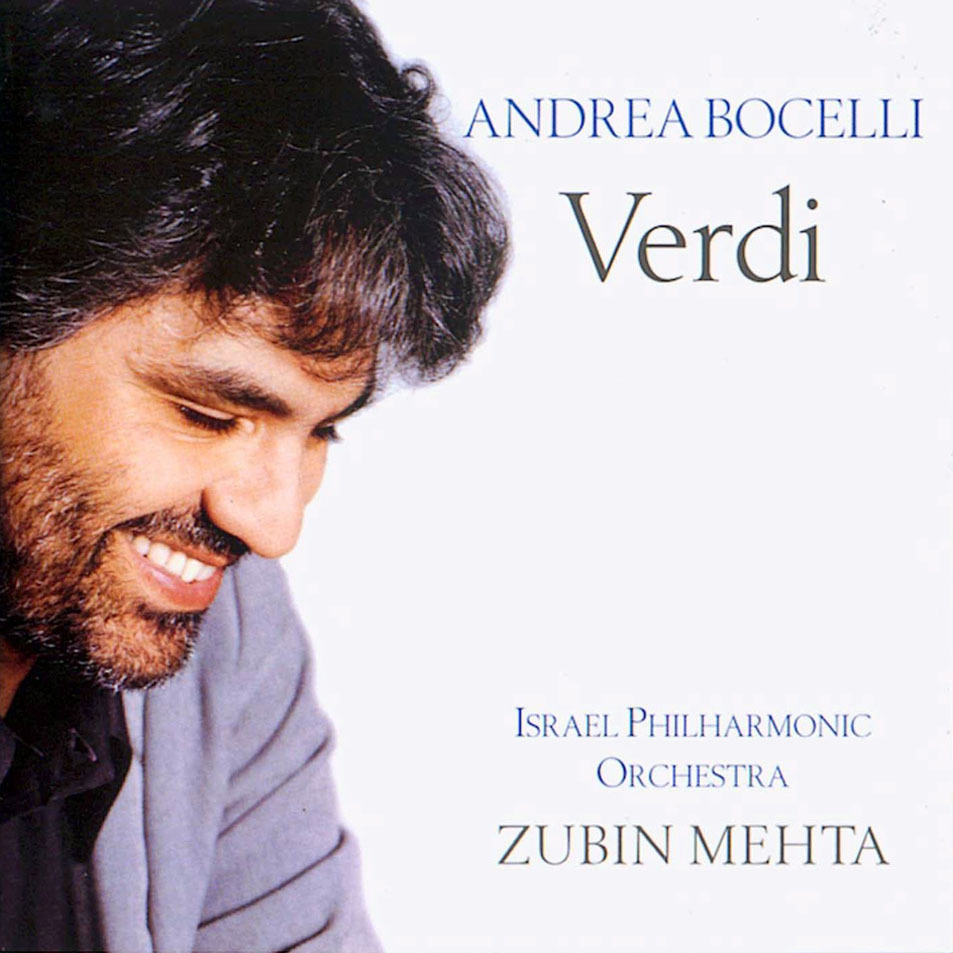
{"song_id": 13855048, "meaning": "Andrea Bocelli's rendition of \"Celeste Aida\" drips with longing, a potent cocktail of ambition and idealized love. The aria, originally from Verdi's opera *Aida*, paints a portrait of Radames, a warrior consumed by visions of battlefield glory and the transcendent beauty of Aida, his captive Ethiopian princess. But beneath the surface of martial fantasy lies a deeper exploration of the human psyche: the dangerous allure of escapism and the seductive power of the unattainable. Radames dreams not just of victory, but of a triumphant return, draped in laurels, laying his conquests at Aida's feet. This isn't merely about love; it's about validation, projecting his desires onto Aida, casting her as both the prize and the audience for his heroic performance.
The lyrics themselves offer a window into Radames' internal world. He yearns to restore Aida to her homeland, to place a crown upon her head, to elevate her to a throne beside the sun. This isn't simply an act of selfless devotion; it's a reflection of his own ambition, his desire for power and recognition. By placing Aida on a pedestal, he elevates himself as well, becoming the benevolent conqueror, the restorer of a lost kingdom. The phrase \"Celeste Aida, forma divina\" (Heavenly Aida, divine form) is repeated, reinforcing the idea that Aida is not just a woman, but an idealized projection of Radames' own desires and aspirations. She is a symbol of beauty, purity, and ultimately, the reward for his ambition.
Ultimately, the song meaning of \"Celeste Aida,\" interpreted through Bocelli's emotionally charged performance, transcends the simple narrative of a love story. It becomes a study in the psychology of desire, ambition, and the human tendency to project our own needs and fantasies onto others. The aria explores the inherent tension between the earthly and the divine, the personal and the political, leaving the listener to ponder the true nature of love and the cost of ambition."}
 View Artist