Song Meaning
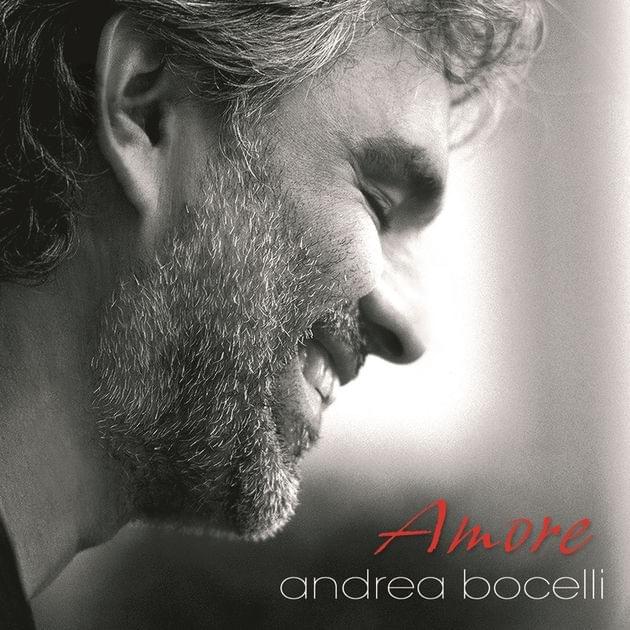
{"song_id": 13854774, "meaning": "Andrea Bocelli's rendition of \"Amapola\" is not merely a serenade; it's a study in the psychology of longing and idealized love. The song, a classic of the Latin American songbook, uses the 'amapola'—the poppy—as a central metaphor. The lyrics paint a picture of a love so profound it borders on obsession, where the object of affection, the 'lindisima amapola,' is seen as both beautiful and unattainable. The repeated pleas, 'No seas tan ingrate y ámame,' reveal a vulnerability beneath the surface, a fear of rejection that haunts the singer's devotion. Bocelli's operatic delivery amplifies this emotional intensity, turning a simple love song into a passionate aria of yearning. The question 'Cómo puedes tú vivir tan sola' isn't just a romantic entreaty; it's a projection of the singer's own fear of isolation, masked as concern for the beloved.
The beauty of \"Amapola\" lies in its simplicity. The lyrics avoid complex metaphors, focusing instead on the raw emotion of unrequited affection. The comparison of love to a flower's need for sunlight ('Iqual que ama la flor la luz del día') is both classic and effective, highlighting the life-giving power of love. However, the repetition also hints at a potential imbalance in the relationship. The singer positions himself as the sun, essential for the 'amapola's' survival, subtly implying a sense of dependency and perhaps even control. This power dynamic, though understated, adds a layer of complexity to the song's otherwise straightforward message of love.
Ultimately, the song meaning of \"Amapola,\" especially as interpreted by Bocelli, transcends the typical love song. It becomes an exploration of the human need for connection, the vulnerability inherent in expressing deep emotion, and the subtle power plays that can occur within even the most heartfelt relationships. It's a reminder that love, in its most intense form, can be both beautiful and a little bit terrifying."}
 View Artist