Song Meaning
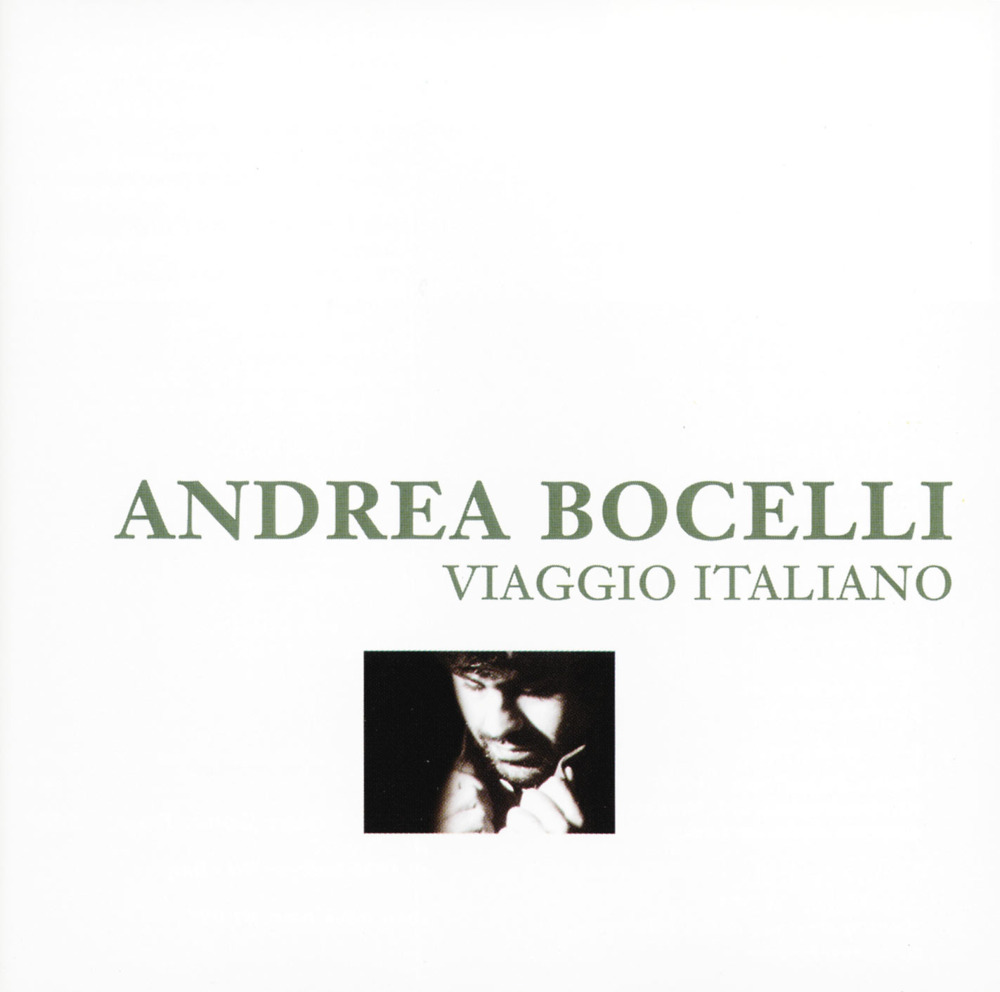
Bocelli's rendition of "Ah, la paterna mano" from Verdi's *Macbeth* plumbs the depths of operatic despair, a sonic portrait of a father ravaged by loss. The aria, sung by Macduff, drips with paternal anguish, a raw nerve exposed by the tyrant Macbeth's ruthless ambition. It's not merely sadness; it's the specific agony of failing to protect one's own blood, a primal violation echoing through every soaring note. The lyrics paint a stark scene: his children, his wife, slaughtered by Macbeth's hired killers. Macduff is haunted by the image of their final moments, their desperate calls for a father who was nowhere to be found, swallowed by the shadows of political intrigue. The weight of his absence crushes him, transforming grief into a burning need for vengeance.
The psychological complexity lies in Macduff's self-reproach. He doesn't just mourn; he accuses himself. "Ah, la paterna mano non vi fu scudo" – his fatherly hand was not a shield. It's a searing indictment, a recognition that his duty, his very purpose as a father, was tragically unmet. This sense of failure fuels his rage, twisting the aria into a desperate plea for divine intervention. He implores God to deliver him to Macbeth, to grant him the opportunity for retribution. It's a prayer born not of piety, but of a consuming need to settle a debt written in blood.
Ultimately, "Ah, la paterna mano" transcends its operatic context to become a universal expression of grief, guilt, and the corrosive power of unchecked ambition. Bocelli's interpretation, imbued with his signature blend of technical mastery and emotional vulnerability, amplifies the aria's inherent drama. It's a harrowing journey into the heart of a father's despair, a reminder of the devastating consequences of political violence on the most intimate of human bonds. The song's meaning rests in this potent intersection of personal tragedy and political upheaval, a timeless exploration of the human condition under duress.
 View Artist