Song Meaning
The lyrics paint a vivid picture of someone desperately trying to maintain a facade of control while clearly being out of their depth. The narrator calls them a "mighty mighty fool" living "on a ledge," highlighting a precarious and self-destructive path. There's a sense of reckless abandon, a refusal to "think ahead" or "get involved," leading to "trouble that you can't solve." This individual is presented as fundamentally flawed, like a "diamond without any shine" or a "Rolex that don't show time," suggesting a lack of genuine substance or purpose beneath the surface.
The central tension arises from the stark contrast between the subject's outward performance and their internal reality. They are "acting like a Porsche but you're sittin' in a Beetle," a potent image of aspiration clashing with a mundane, perhaps even broken, existence. This disconnect fuels their chaotic behavior, "kickin' it to the floor" and "runnin' into people." The repeated phrase "On the road road road to Charlie Parker" acts as a refrain, implying a journey towards a state of creative genius or perhaps a descent into the destructive lifestyle associated with jazz legends, a destination the subject seems ill-equipped to reach or handle.
The most striking aspect of the writing is its use of sharp, often ironic, comparisons to underscore the subject's inauthenticity and lack of direction. The "little finger" and "little fist" suggest a performative, impotent anger, while "driving like a dog through the cold cold mist" evokes a sense of blind, desperate movement without clear sight or destination. The repeated "On the road road road" emphasizes this aimless progression, a cyclical motion that leads nowhere meaningful, especially when juxtaposed with the implied artistic ambition or existential quest of reaching "Charlie Parker."
Ultimately, these lyrics resonate because they capture the painful reality of someone chasing a grand ideal or a certain image while being utterly unprepared for the journey, let alone the destination. The writing's effectiveness lies in its unflinching, almost pitying, observation of this self-deception. The specific, often harsh, metaphors create a palpable sense of the subject's internal chaos and external posturing, making their struggle feel both specific and universally recognizable as a misguided pursuit.
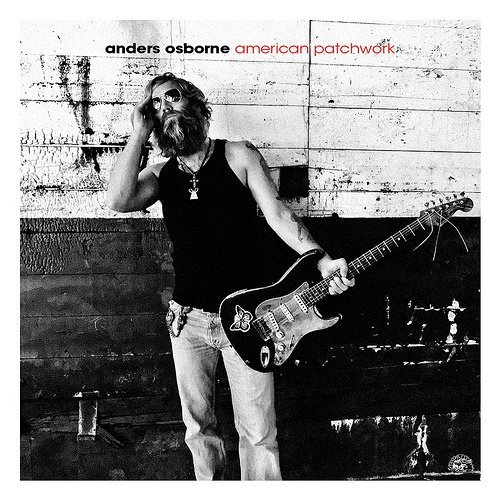
 View Artist