Song Meaning
This track launches an aggressive, almost violent, rejection of someone perceived as a "wigger." The opening lines immediately establish a binary: "Real niggers always use you," while "Real whites think you suck." This sets up a character caught between two worlds, desired by neither. The core of the narrator's fury seems to stem from a perceived inauthenticity, a desperate attempt to "give us props" that is met with visceral disgust. The repeated accusation, "you wigger," functions as a brand of shame, a label meant to strip away any perceived belonging.
The central tension explodes in the chorus, which relentlessly hammers home the idea of failed assimilation. The narrator insists the target "think you're black, you're not" and "think you're cool, you're not," directly challenging their self-perception. The jarring shift to "you're gay" appears to be used as a further insult, a way to invalidate the target's identity and belonging within the group the narrator claims to represent. The final line of the chorus, "niggers hate you," solidifies this complete social and racial ostracization.
The second verse escalates the threat, moving from verbal condemnation to physical violence. The line, "Talk like a white man / Or I'll beat your face in," reveals a rigid adherence to a specific linguistic performance as a condition for acceptance, or rather, avoidance of harm. The reference to "Doctor Dre" suggests the target is aspiring to a level of Black cultural authenticity they clearly don't possess in the narrator's eyes. The repeated command, "Stop thinking you're black," underscores the narrator's absolute authority in defining who belongs and who doesn't.
Ultimately, the lyrics construct a brutal portrait of gatekeeping and identity policing. The effectiveness lies in its raw, confrontational tone and the relentless repetition of accusations. The writing doesn't seek nuance; it aims to inflict damage, using racial slurs and homophobic insults as weapons to enforce a narrow, exclusionary definition of Blackness. The sheer aggression leaves the listener with a sense of the intense social pressures and potential for ostracization within certain communities.
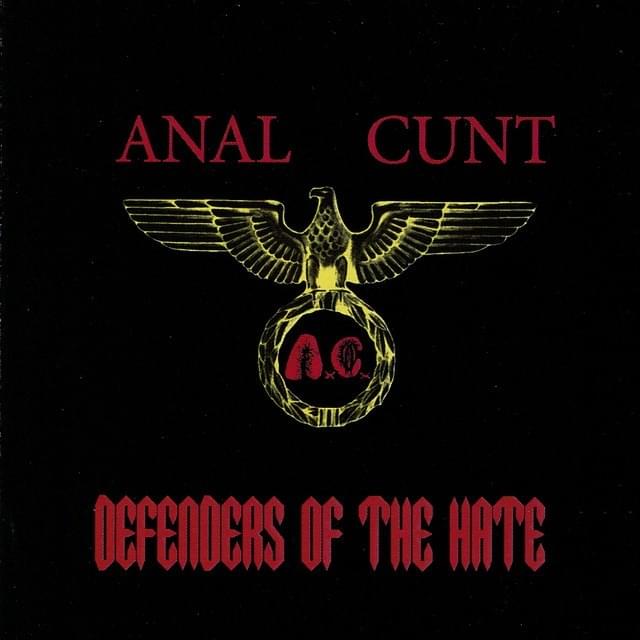
 View Artist