Song Meaning
This track paints a surprisingly bureaucratic portrait of a sparrow, immediately labeling it "municipal" and "electoral." It’s a creature of routine, clad in a "blusa parda de algodón" and "pantalón de tela igual," a uniform of the mundane. The narrator fixates on its gluttony, calling it "glotón" repeatedly, and lectures on moderation as if reciting from a "Manual de Buena Educación." This anthropomorphism creates a stark, almost absurd, contrast between the wildness we might associate with a bird and the rigid, rule-bound existence the lyrics impose.
The central tension arises from the narrator's dissatisfaction with this imposed normalcy. The sparrow's "vestido habitual" and predictable behavior are deemed "demasiado normal," leading to a frustrated "Objeción capital." The narrator seems to crave something more, a spark of individuality or genius, questioning "¿No habrá un gorrión genial?" This desire for the extraordinary within the ordinary is the emotional core.
The most striking craft element is the relentless, almost administrative, cataloging of the sparrow's features and habits. The repetition of "glotón" and the formal, instructive tone about "moderación" lend the lyrics a dry, critical edge. The casual parenthetical aside "(No lleva cinturón)" adds a touch of peculiar, mundane detail that underscores the narrator's hyper-observant, slightly judgmental gaze. It’s this meticulous, unpoetic description that elevates the sparrow beyond a simple bird into a symbol of uninspired conformity.
Ultimately, the lyrics hit hard by subverting expectations of nature poetry. Instead of finding freedom or wildness, the narrator finds a creature governed by invisible rules and mundane attire. The effectiveness lies in this sharp, almost satirical, observation of the ordinary, making us question the inherent 'normalcy' of even the most common creatures and the quiet yearning for something more extraordinary lurking beneath the surface.
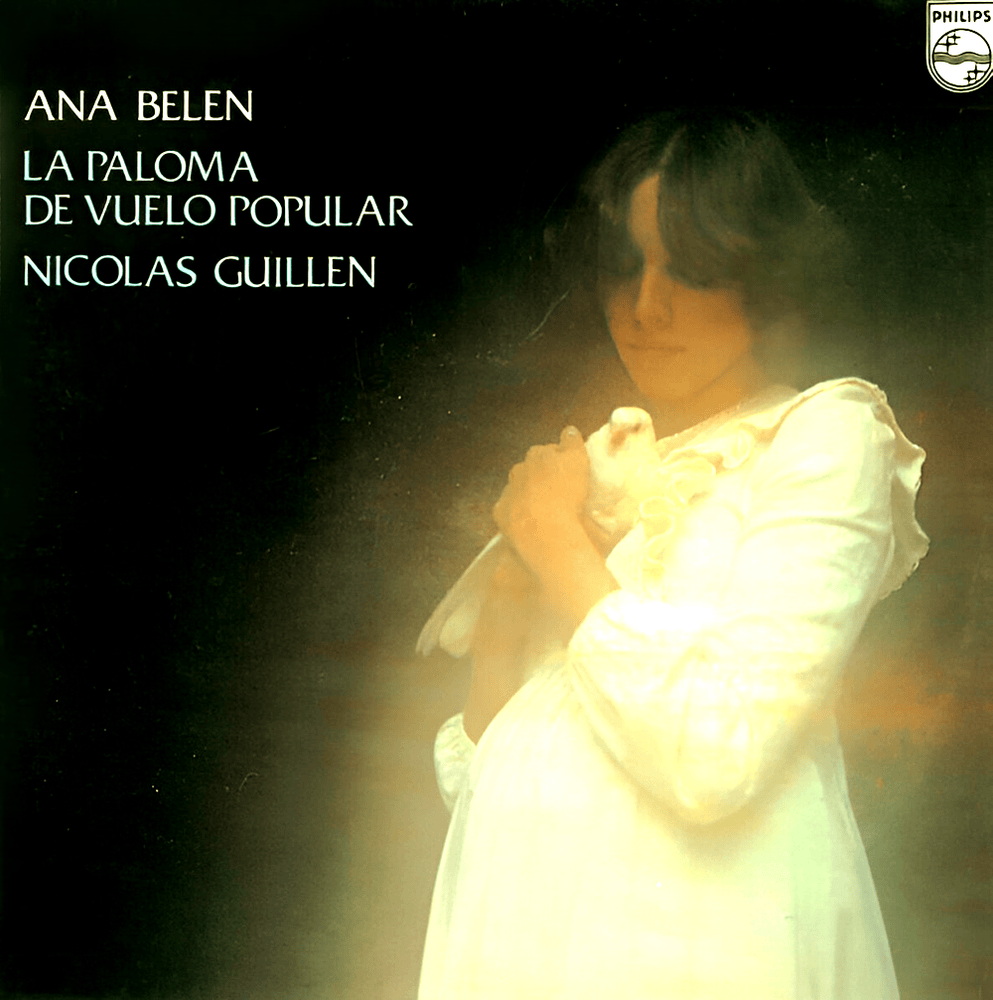
 View Artist