Song Meaning
The lyrics paint a picture of a deeply disillusioned narrator, once naive about love and morality. They believed beauty, honesty, and imagination were intrinsically linked, a youthful idealism shattered by experience. The repeated "Pobrecita de mí" (poor little me) and "Pobrecito de ti" (poor little you) establishes a tone of self-pity and shared regret, suggesting a mutual downfall or a shared misunderstanding of reality.
The central tension arises from the contrast between past beliefs and present harsh realities. The narrator once thought a single misstep would ruin everything, only to find that life, and perhaps love, is messier and more forgiving, or perhaps more destructive in different ways. The imagery of "zapatillas de baile sin reposo" (restless dance shoes) and "punta y tacón de agua con sangrita" (point and heel of water with a little blood) evokes a sense of frantic, perhaps painful, activity that doesn't lead to genuine rest or healing.
A striking detail is the shift in identity, where the narrator, presumably named Anita, is called "Maruja" by a "guapo asturiano" (handsome Asturian). This name change, especially in a moment of supposed intimacy or connection (implied by "ralla más bruja de mi mano" – the witchiest line of my hand), suggests a fundamental misrecognition or a deliberate diminishment of who the narrator is. It’s a subtle but potent act of erasure, highlighting how perceived slights can sting more than grand betrayals.
This lyrical landscape is effective because it grounds abstract disillusionment in specific, almost surreal images. The "media luna de miel" (half honeymoon) juxtaposed with "Gibraltar escocés" (Scottish Gibraltar) creates a disorienting sense of place and broken promises. The final lines, "Tu abeja reina mi gatito en celo" (Your queen bee my tomcat in heat), offer a final, bizarre image of mismatched desires and misplaced affections, leaving the listener with a potent sense of emotional chaos and poisoned love.
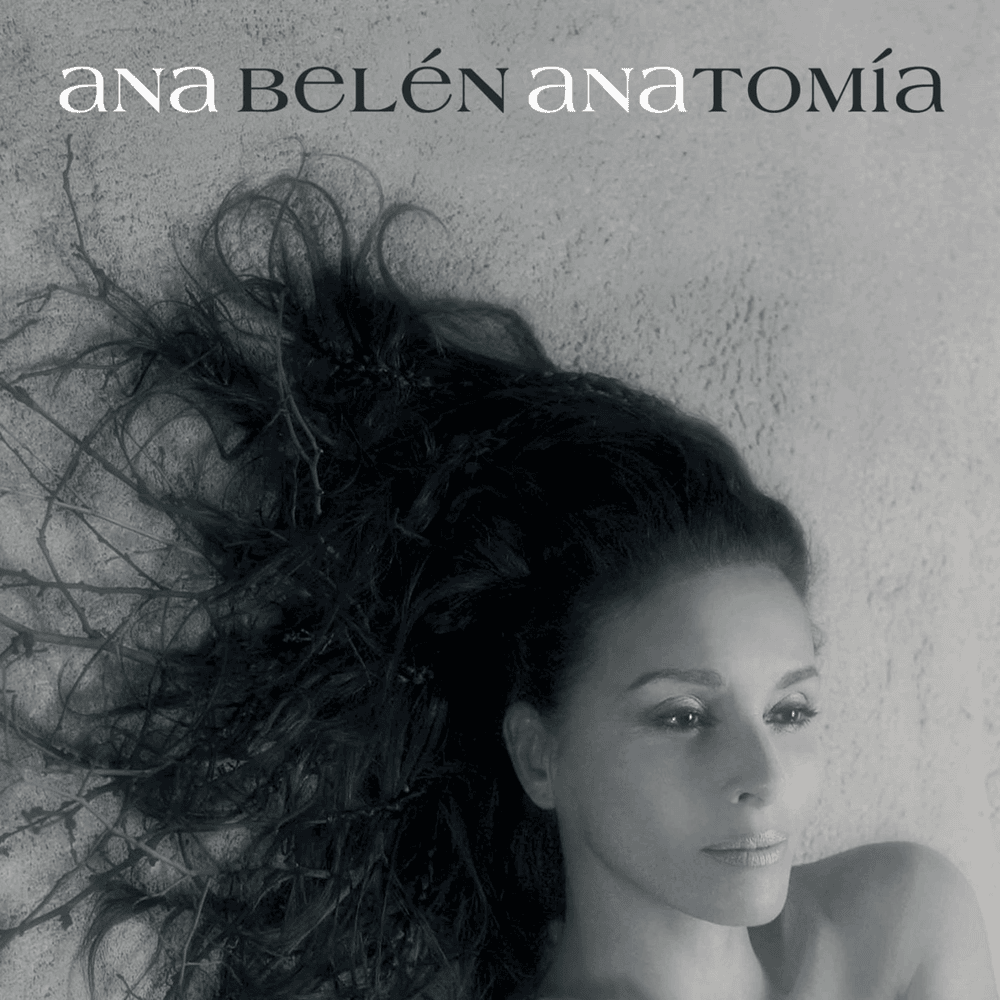
 View Artist