Song Meaning
This lullaby paints a stark picture of abandonment, focusing on a small, parentless creature. The repeated assertion that the 'little Galapagos' has no mother, no bed, immediately establishes a tone of profound neglect and vulnerability. It's a simple, almost childlike description of a dire situation, making the underlying sadness all the more potent.
The central tension lies in the contrast between the child's lack of basic necessities and the implied hope for a future provision. The lyrics repeatedly state what the child *doesn't* have – a mother, a bed – creating a sense of emptiness. Yet, the final lines introduce a glimmer of possibility: the father, a carpenter, will make a bed. This introduces a fragile hope, but the persistent "yes, no" after each statement underscores the uncertainty and the lingering fear that this provision might not materialize.
The most striking aspect of the craft is the use of repetition and negation. Phrases like "no tiene mare" and "no tiene cuna" are hammered home, emphasizing the child's destitution. The "sí" and "no" that follow each declaration serve as a kind of internal debate or a hesitant confirmation of the harsh reality, adding a layer of dramatic suspense. This structure makes the eventual mention of the father's potential action feel both earned and precarious.
Ultimately, the effectiveness of these lyrics comes from their stark simplicity and the emotional weight carried by basic needs. By focusing on the absence of a mother and a bed, the song taps into a primal fear of being uncared for. The hesitant hope offered by the father's craft, constantly undercut by doubt, creates a deeply resonant and poignant lullaby that lingers long after the final notes.
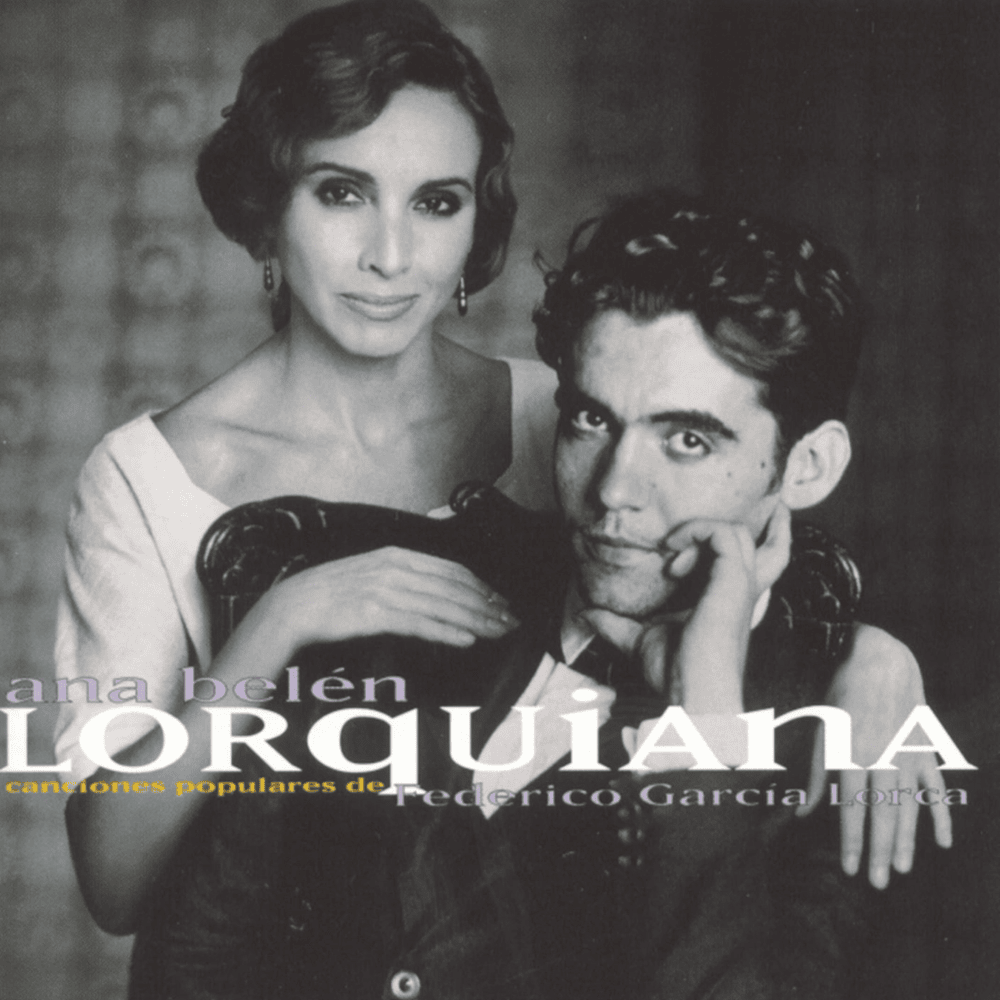
 View Artist