Song Meaning
The lyrics paint a stark picture of a group preparing for a decisive, perhaps violent, action. The opening chorus establishes a sense of shared knowledge and readiness: "Todos el camino sabemos" (We all know the way), with "rifles engrasados" (greased rifles) and "brazos avisados" (warned arms) signaling an imminent confrontation. This isn't a hesitant march; it's a committed, organized movement.
The central tension lies in the narrator's perception of death and freedom. The lyrics dismiss the fear of dying, stating "Nada importa morir al cabo" (Nothing matters dying in the end), and contrasting it with the greater suffering of "ser libre y estar preso" (being free and imprisoned) or "libre y ser esclavo" (free and being a slave). This suggests the impending action is a bid for liberation, where even death is preferable to continued subjugation.
The most striking element is the juxtaposition of death in verse two. It contrasts a slow, agonizing death in bed with a swift, perhaps heroic, death "con diez balazos sobre el pecho" (with ten bullet holes in the chest), especially when "otros hay que mueren cantando" (others die singing). This elevates the potential sacrifice, framing it not as a tragic end but as a defiant, even triumphant, final act.
This lyrical approach is effective because it reframes sacrifice and violence as necessary steps toward a greater freedom. The repeated, insistent call to "Marchemos" (Let's march) acts as a powerful, unifying chant, solidifying the resolve of the group and emphasizing the collective nature of their chosen path. The lyrics don't shy away from the grim realities but present them as a clear choice against a worse fate.
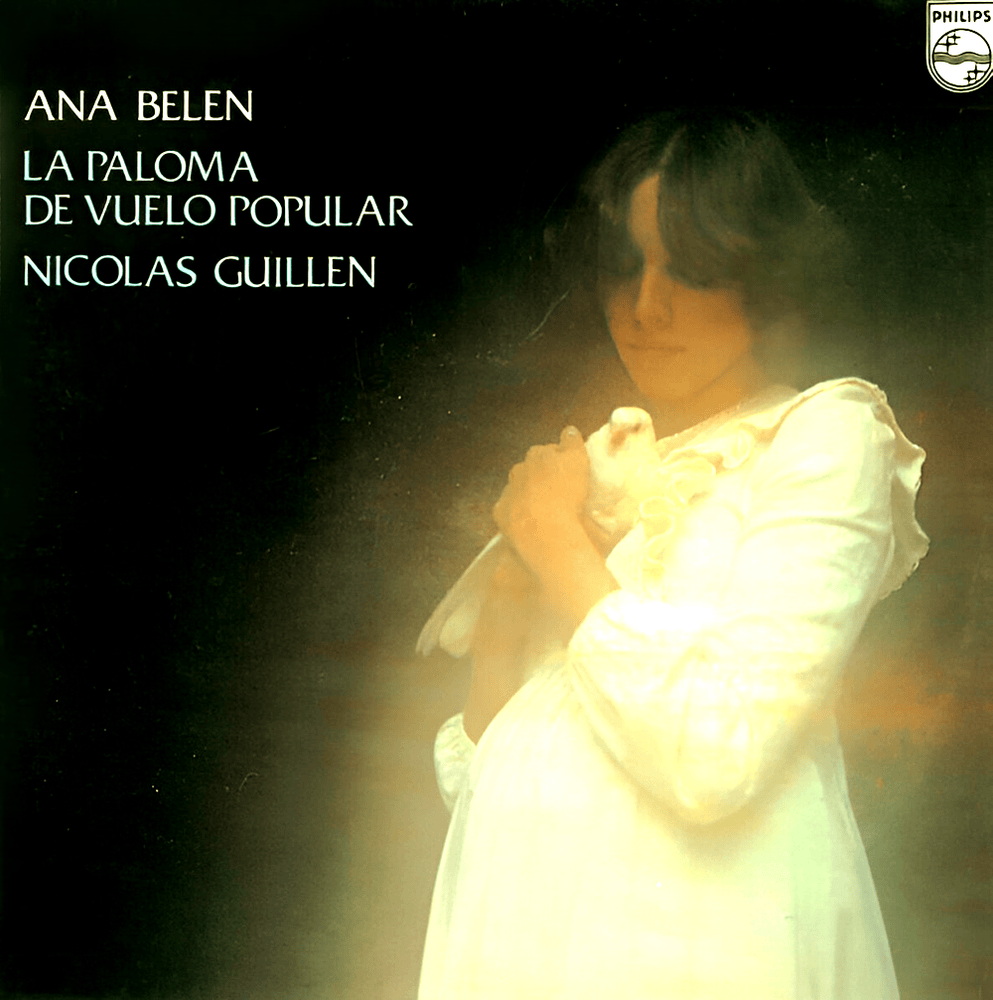
 View Artist