Song Meaning
The lyrics paint a stark picture of self-deception and a yearning for a fresh start, questioning the feeling of lying to oneself and wishing life could be as simple as swapping out a battery. There's a palpable sense of being an outsider, a feeling that the narrator and others like them are waiting not passively, but by carefully selecting a future that feels trustworthy. This sets up a core tension between a past that wasn't "beautiful" and a present that's a struggle, yet still worth fighting for.
The central conflict emerges from the inability to claim a "beautiful past," leading to a present where yesterday is ignored and tomorrow is obscured. The narrator acknowledges past "failures" but insists they weren't "bad" failures, suggesting a desire to reach a point where they can say so without shame. This internal struggle is externalized through the act of boarding an "unfamiliar ship" to a "different country," a powerful metaphor for seeking a new existence where one can choose where to live, even if the place of birth was not chosen.
A striking piece of craft is the imagery of "melancholy flowing through veins instead of blood," immediately followed by the application of a "sociality bandage" to prevent it from spilling out. This visceral metaphor highlights the effort to conceal internal pain with societal norms, making the mundane "commute train" feel "not painful." The lyrics also cleverly reframe the idea of a "sun," suggesting that the darkness isn't inherent to the world but rather a consequence of not having found "our own sun" in "each of our own places."
Ultimately, the effectiveness of these lyrics lies in their raw, unflinching portrayal of alienation and the defiant hope that follows. The repeated plea, "Even if we can't choose where we were born, let us choose where we live," coupled with the raw, almost primal cry of "Inhuman, inhuman, scream," resonates deeply. It's a powerful articulation of the desire for self-determination and belonging, even for those who feel fundamentally different or like "strangers in this world."
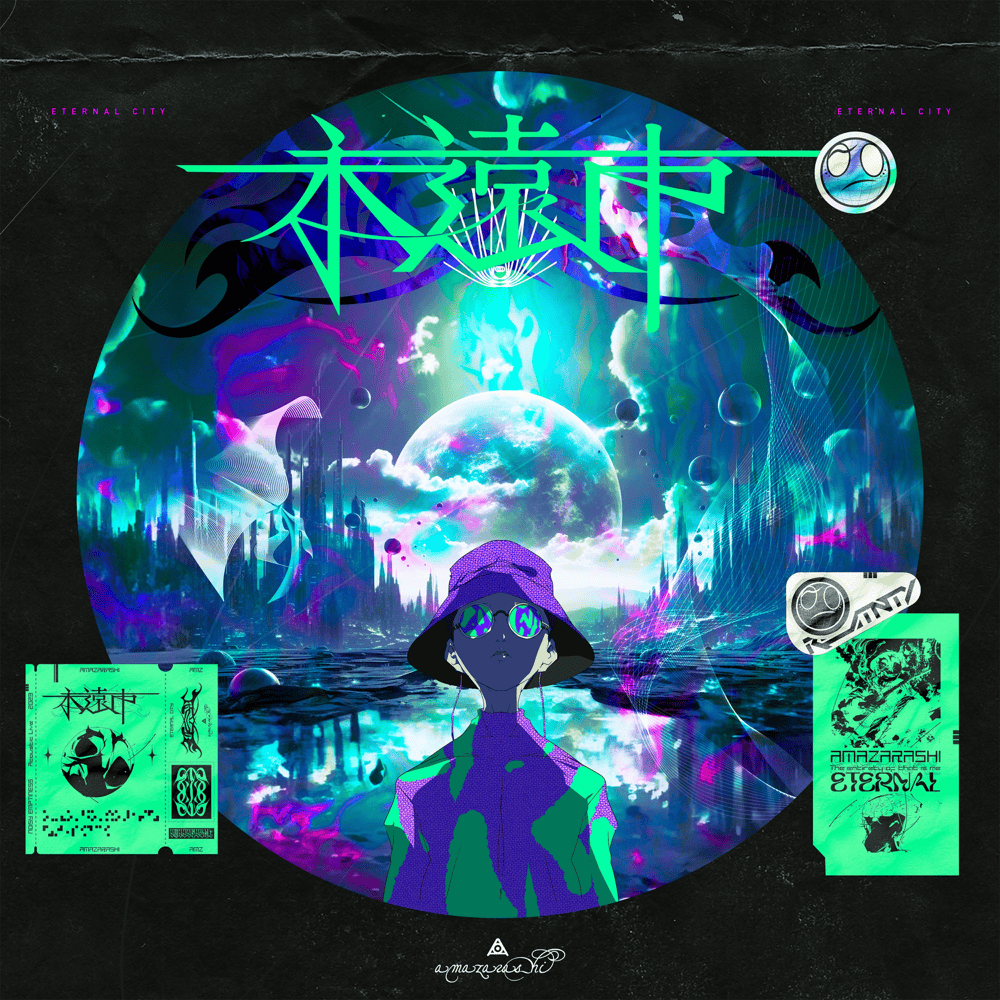
 View Artist