Song Meaning
The lyrics paint a stark picture of a departure, marked by the simple, devastating finality of "Nada más" – "Nothing more." The narrator recalls a specific March day, the air thick with the scent of poplars, when someone left. This departure isn't elaborated upon, but its impact is profound, reducing the entire event to a single, unadorned phrase.
The core of the song seems to hinge on the contrast between the narrator's lingering pain and the perceived clarity of the departed person. The lyrics suggest that a single word or gesture from them, as clear as their eyes, was the catalyst. This clarity, however, is juxtaposed with the narrator's subsequent "días de ira / Dolor y adversidad" – "days of anger / Pain and adversity." The memory of the person, despite the pain they caused, is then elevated to a guiding light, "Tu estrella. Nada más" – "Your star. Nothing more."
The most striking element is the repetition of "Nada más," acting as both a punctuation mark for the past and a declaration of present focus. It underscores the absolute nature of the departure and the narrator's singular fixation on this memory and the person's enduring presence, like a star. This star's "fulgor perenne" – "perennial glow" – is offered against "la eternidad" – "eternity," suggesting a timeless, unwavering remembrance.
The effectiveness lies in this deliberate sparseness. By refusing to detail the circumstances, the lyrics amplify the emotional weight of the absence and the narrator's internal landscape. The simple, repeated phrase "Nada más" becomes a powerful anchor, emphasizing the all-consuming nature of this singular memory and the enduring, almost spiritual, connection the narrator feels, even in the face of profound sorrow.
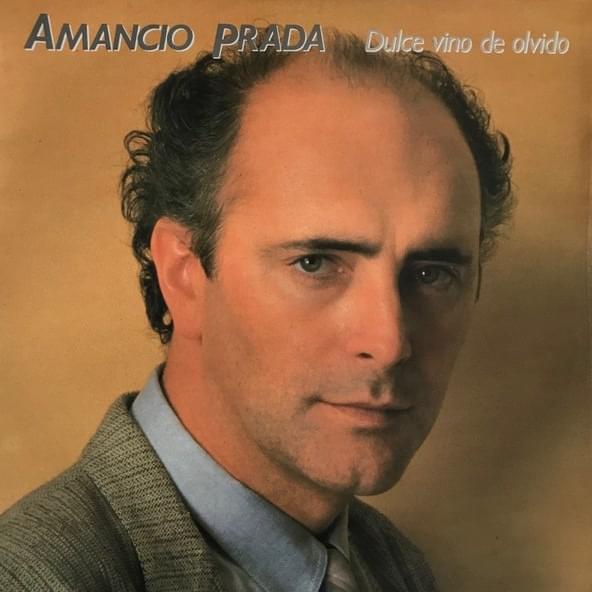
 View Artist