Song Meaning
The lyrics paint a picture of a sleepless narrator, awake and watchful, anticipating the arrival of a beloved friend. The repetition of "Lelia doura" and "Edoi lelia doura" creates a hypnotic, almost lullaby-like quality, underscoring the narrator's intense focus and longing. The scene is intimate, set in a quiet night where the narrator "non dormía" (did not sleep) and "cuidava" (watched over).
The central tension lies in the narrator's yearning for this "amigo" (friend) or "amado" (loved one). There's a palpable desire for their presence, expressed through the repeated wish, "Que vos tevesse comigo" (That I had you with me) and "Que vos tevesse a meu lado" (That I had you by my side). This isn't just a casual acquaintance; the narrator is deeply invested, waiting and hoping for closeness.
The most striking element is the shift in the final verses. The narrator declares, "Ben sei eu quen non diz leli" (I know well who does not say 'leli'), and then more forcefully, "Demo x′é quen non diz lelia" (The devil is who does not say 'lelia'). This suggests that the simple utterance of "leli" or "lelia" is a sign of genuine affection or perhaps a shared secret, and anyone who refrains from it is somehow untrustworthy or unwelcome. It elevates the repeated phrases from mere sounds to a coded expression of belonging and sincerity.
This lyrical construction is effective because it translates a deep, almost spiritual longing into a simple, evocative soundscape. The contrast between the quiet, watchful night and the fervent internal desire, culminating in the almost exclamatory assertion about who truly belongs, creates a powerful emotional arc. The focus on the friend's words, "d'amor tan ben dizía" (spoke so well of love) and "tan ben cantava" (sang so well), further emphasizes the narrator's idealization and the profound impact of this person's presence and expressions of affection.
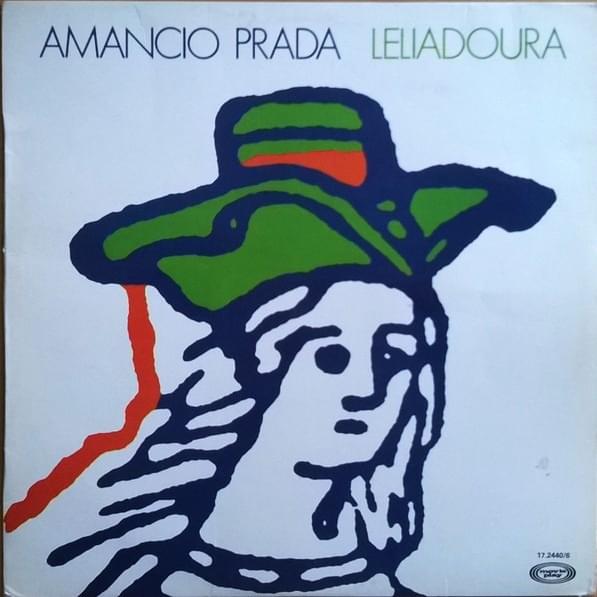
 View Artist