Song Meaning
The lyrics paint a stark picture of a relationship fractured by a deliberate, almost intoxicating, form of forgetting. The recurring image of "dulce vino de olvido" (sweet wine of oblivion) in the other person's glass immediately establishes a tone of passive, yet potent, emotional distance. The narrator sees clearly that their words are unheard, suggesting a profound disconnect where communication has become futile, drowned out by this chosen oblivion. The scene is set: one person is actively drinking in forgetfulness, while the other watches, unheard.
The central tension arises from the narrator's deep connection to a child who recognizes them, a child seemingly belonging to the person who drinks oblivion. This child's recognition, both of the narrator's face and name, is a painful counterpoint to the adult's deliberate forgetting. The narrator states, "Moriré en su recuerdo día a día" (I will die in his memory day by day), indicating a lingering presence and impact on the child, even as the adult partner moves on. This creates a heartbreaking conflict: the child's innocent memory preserves the narrator's existence, while the adult's oblivion erases it.
The most striking craft element is the extended metaphor of the "sweet wine of oblivion." It's not just a simple act of forgetting, but a choice, presented as something desirable and perhaps even pleasant ("dulce"). This contrasts sharply with the narrator's own experience, where words carry an "amargo sabor" (bitter taste). The imagery of "flores que nacen de una rama arrancada" (flowers born from a torn-off branch) for the narrator's verses is also powerful, suggesting creativity and expression that arise from a severed connection, a painful detachment.
These lyrics resonate because they capture the specific agony of being erased by someone you deeply affect, particularly through the lens of a child's innocent perception. The narrator's voice is one of clear-eyed pain, observing the other's self-imposed blindness. The contrast between the "sweet wine" of forgetting and the "bitter taste" of the narrator's words, coupled with the child's unwavering recognition, makes the emotional weight of this disconnect palpable and deeply affecting.
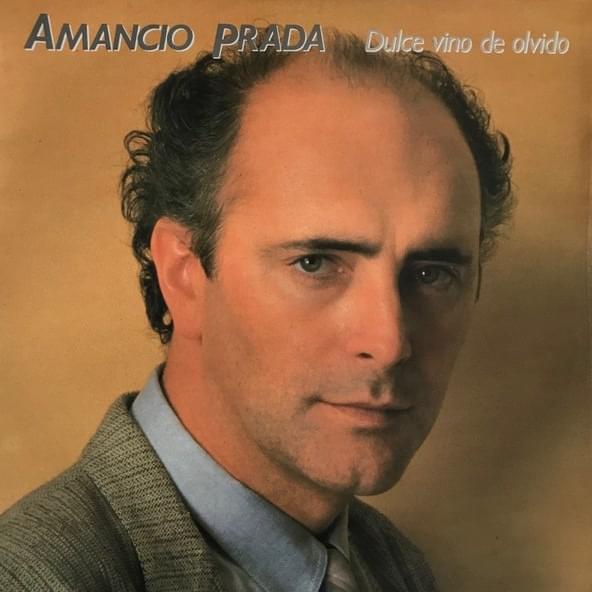
 View Artist