Song Meaning
Allan Sherman’s "Me" isn't merely a silly song; it's a masterclass in absurdist self-obsession, filtered through the lens of mid-century American consumerism. The song's genius lies in its mundane specificity. He doesn't sing about grand achievements or profound emotions; instead, he fixates on the utterly commonplace: toes, fingers, eyebrows. It’s a comedic deconstruction of the ego, reducing the self to a collection of body parts described with almost clinical detachment. The phrase "they're my brows" is a declaration of ownership over the utterly obvious, a humorous assertion of identity. This isn't about celebrating individuality; it's about highlighting the inherent ridiculousness of it.
The name-dropping of "Neiman-Marcus" elevates the song beyond mere body-part enumeration. It introduces a layer of materialistic vanity. The "carcass," as he cheerfully calls it, is adorned in the finest wares from a high-end department store. This detail speaks volumes about the societal pressures of appearance and the lengths to which people go to construct a presentable self. It's a sardonic commentary on the American Dream, where even one's physical form becomes a canvas for consumer expression. Is he really talking about his literal body, or the self he has curated through material possessions? The song subtly mocks the superficiality of a culture obsessed with outward appearances.
Ultimately, "Me" is an exercise in self-aware absurdity. The line "Behind those eyebrows, that's where you'll find me" is perhaps the most revealing. It suggests that the true self is hidden, perhaps even unknowable, behind the facade of physical attributes and material possessions. The song's humor arises from the tension between the triviality of the details and the implied search for deeper meaning. Sherman’s brilliance lies in making us laugh at ourselves, and at the very notion of a coherent, definable "me." It is a song that manages to be both profoundly silly and surprisingly insightful about the human condition.
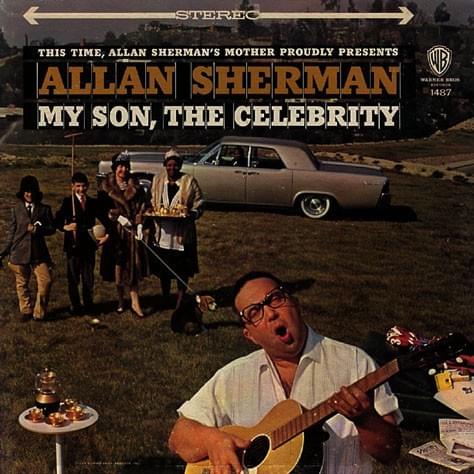
 View Artist