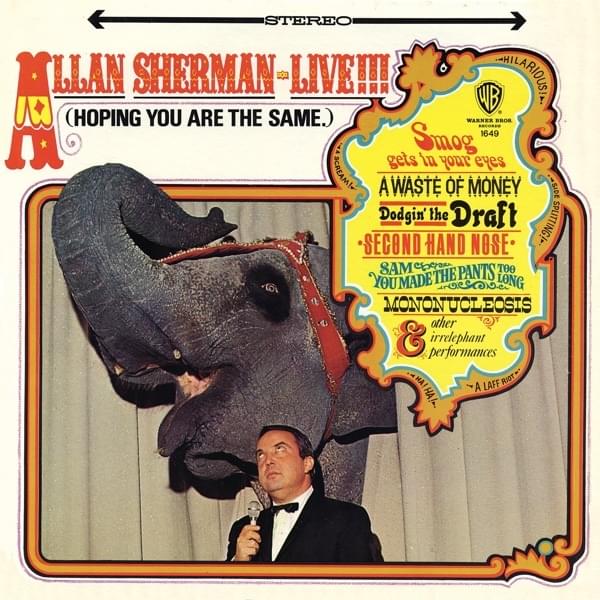
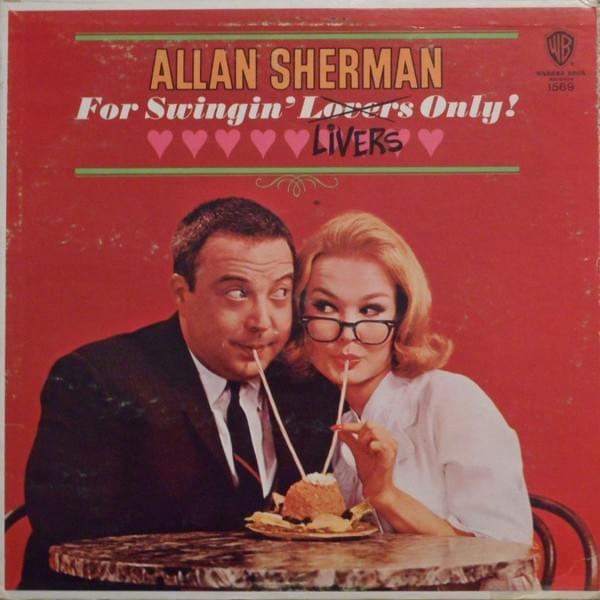
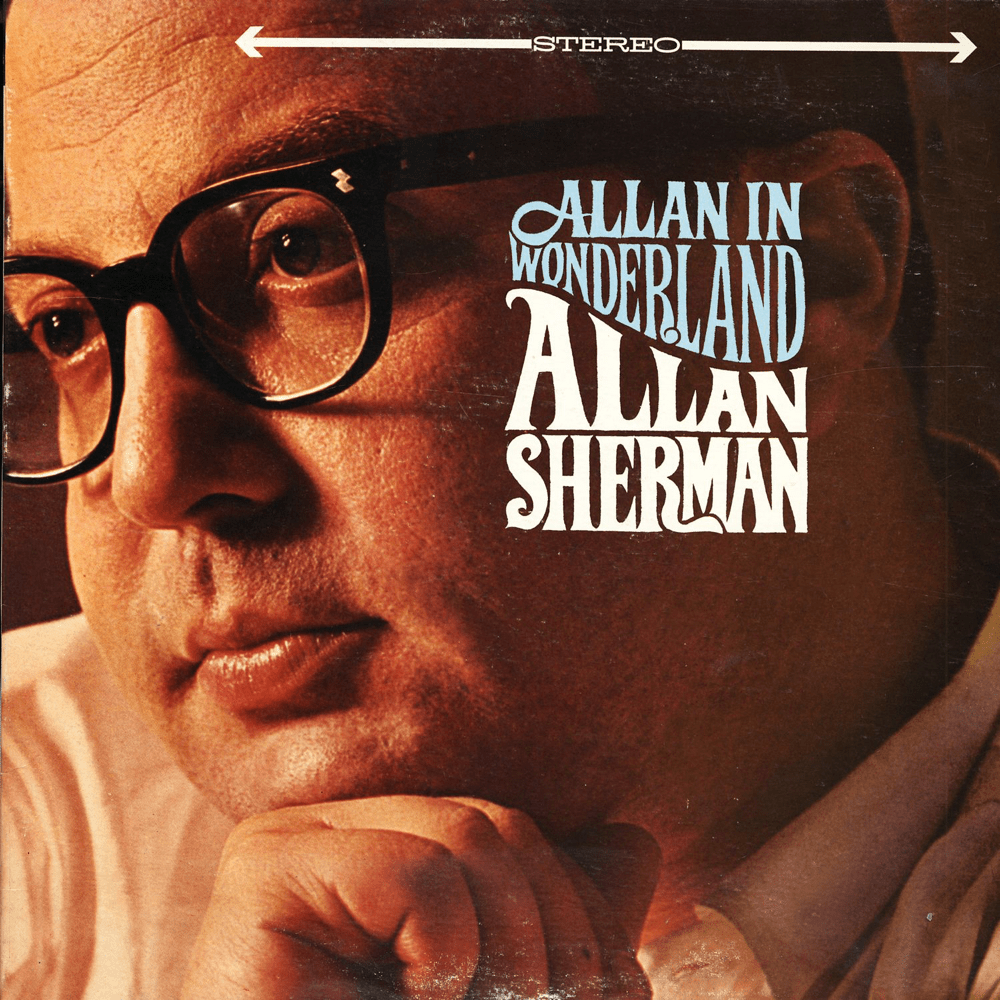
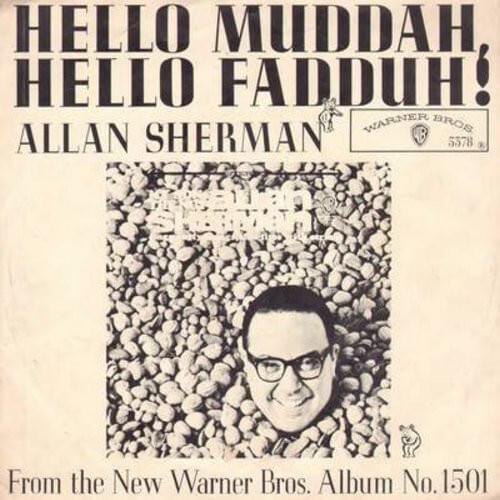
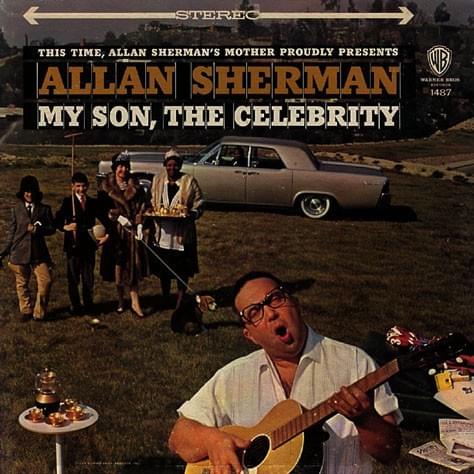
Allan Sherman, born Allan Copelon in Chicago, Illinois, was more than just a comedian; he was a cultural phenomenon. Rising to prominence in the early 1960s, Sherman carved a unique niche for himself as a master of song parodies, transforming familiar melodies into hilarious commentaries on suburban life, popular culture, and the everyday absurdities of the American experience. His comedic timing, clever wordplay, and keen observational skills resonated with audiences, making him a household name during a pivotal era in American history.
Sherman's journey to stardom was somewhat unconventional. Before finding fame on stage and record, he worked as a television producer and writer, contributing to shows like "I've Got a Secret" and "The Tonight Show." This experience honed his ability to craft witty and engaging material, skills that would later prove invaluable in his songwriting. He wasn't a classically trained musician; his talent lay in his ability to identify catchy tunes and repurpose them with sharp, satirical lyrics.
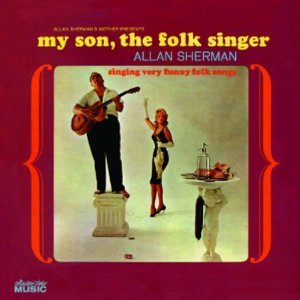
His breakthrough came with the album "My Son, the Folk Singer," which featured the hit single "Sarah Jackman," a parody of the Israeli folk song "Hava Nagila." This success catapulted Sherman into the spotlight, leading to numerous albums, television appearances, and live performances. His songs often poked fun at societal norms and trends, capturing the zeitgeist of a rapidly changing America. Consider, for example, Peyton Place, U.S.A., a humorous take on the scandalous primetime soap opera.
Sherman's humor was often self-deprecating and relatable. He sang about the anxieties of modern life, the pressures of conformity, and the challenges of raising a family. His songs were filled with Yiddish humor and cultural references, appealing to a broad audience while also celebrating his Jewish heritage. One of his lesser known gems, Secret Code, showcases his ability to find humor in the mundane aspects of life.
While many remember him for his more upbeat and widely known parodies, Allan Sherman also tackled more complex themes with his signature wit. Calculatus Eliminatus, a clever play on Latin phrases and mathematical concepts, exemplifies his intellectual approach to comedy. He had a knack for making even the most obscure topics accessible and amusing. He could even make a trip to The Painless Dentist Song a riot.
Allan Sherman's career, though relatively brief, left an indelible mark on American comedy. He paved the way for future generations of parody artists, demonstrating the power of music to entertain, enlighten, and challenge the status quo. Even today, his songs continue to resonate with audiences, reminding us that laughter is often the best medicine, especially when it's delivered with a healthy dose of self-awareness and satirical brilliance. His work remains a testament to his comedic genius and his enduring impact on popular culture. He even dared to tell Go To Sleep, Paul Revere!