Song Meaning
Allan Sherman's "Green Stamps" isn't just a quirky ode to a bygone retail incentive; it's a razor-sharp satire of mid-century American consumerism. On the surface, the song cheerfully recounts the protagonist's obsession with collecting S&H Green Stamps, those little adhesive squares once ubiquitous at grocery stores and gas stations. But Sherman, a master of musical parody, uses this seemingly innocent pursuit to expose the irrationality and absurdity driving consumer behavior. The lyrics cleverly highlight the lengths people will go to for the promise of a 'free' reward, indulging in needless purchases and illogical accumulation. The protagonist buys 'truckloads of detergent' and 'three hundred pounds of bird seed' despite having no bird, all in the service of amassing enough stamps to redeem for a coveted toaster.
The song's genius lies in its understanding of the psychological hooks embedded in reward systems. Green Stamps, like modern-day loyalty programs, tap into our innate desire for validation and the thrill of acquisition. The lyrics, 'Thrill me with your Green Stamps/ I love your little Green Stamps,' drip with a tongue-in-cheek obsession that mirrors the addictive nature of consumer culture. Sherman subtly critiques the way marketing manipulates these desires, turning ordinary citizens into unwitting participants in a cycle of endless consumption. The promised 'gleaming and deluxe' toaster becomes a symbol of the hollow satisfaction derived from material possessions obtained through convoluted means.
Beneath the humor, "Green Stamps" hints at a deeper societal critique. The aspiration to trade Green Stamps 'for something I can drive,' specifically 'the first Studebaker made in 1965,' speaks to the aspirational nature of consumerism and its connection to social status. The song implicitly questions whether the fleeting joy of acquiring material goods can truly fulfill our needs, or if it merely perpetuates a cycle of wanting more. In the end, "Green Stamps" is a timeless commentary on the human condition, a reminder that the pursuit of happiness through material possessions can often lead down a path of comical, and ultimately, unsatisfying excess.
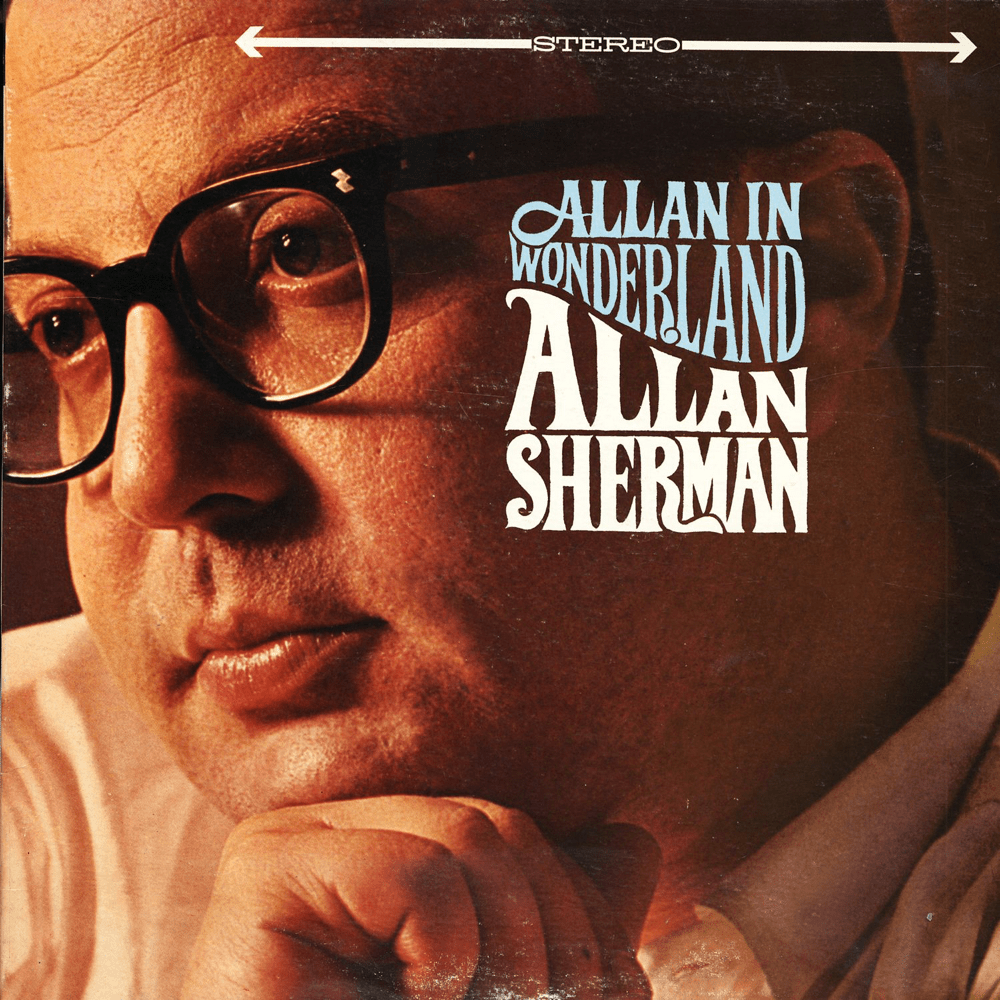
 View Artist