Song Meaning
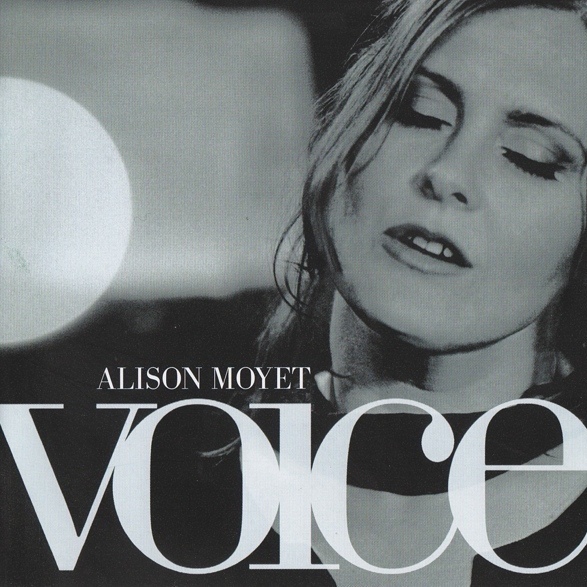
Alison Moyet's rendition of "The Man I Love" isn't just a cover; it's a masterclass in vocal yearning, transforming a standard into a raw exploration of hope and vulnerability. The song, at its core, is a deceptively simple expression of longing for an idealized partner. However, Moyet's interpretation subtly exposes the inherent anxieties within that very desire. The lyrics paint a picture of a traditional, almost retro, vision of love: a "big and strong" protector who provides a secure home. But it's the repetition of "Maybe" followed by days of the week that betrays the underlying fragility of this dream. This isn't confident expectation; it's a hesitant prayer whispered into the void. The song meaning resides less in the description of 'the man' and more in the emotional landscape of the singer. It's about the act of dreaming itself, the delicate balance between optimism and the quiet dread of disappointment.
The brilliance of Moyet's delivery lies in how she conveys both the surface-level hope and the submerged fear. There's a palpable tension between the idealized image of the man and the uncertainty of ever finding him. The lines "And though it seems absurd / I know we both won't say a word" hint at a connection that transcends language, a soulmate recognition. Yet, the absurdity she acknowledges underscores the improbability, the almost fairytale quality of such an encounter. The "little home that's meant for two" becomes less a promise and more a symbol of the singer's own desire for belonging, a safe haven constructed in the imagination.
Ultimately, "The Man I Love," as interpreted by Alison Moyet, isn't merely a romantic ballad; it's a psychological portrait of longing. It's a recognition that the dream of perfect love can be both a source of comfort and a potential source of pain. The song's power resides in its honesty, in its willingness to acknowledge the vulnerability inherent in the human desire for connection. It's a reminder that the search for 'the one' is often a journey into the self, a confrontation with our own hopes, fears, and ultimately, our own capacity for love.
 View Artist