Song Meaning
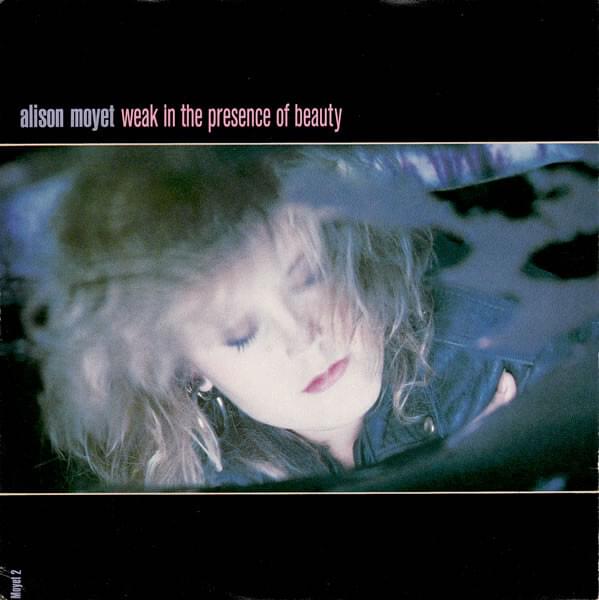
Alison Moyet's "Weak in the Presence of Beauty" isn't just a love song; it's an anthem of suppressed longing and the precarious balance between desire and self-preservation. The opening lines, tinged with nostalgia and the regret of time's passage, set the stage for a complex emotional landscape. The lyrics hint at a past relationship, one that has evolved (or devolved) into a strained acquaintance. The narrator acknowledges the potent pull of a former lover, admitting that even a fleeting encounter can unravel her carefully constructed composure. This isn't about simple attraction; it’s about the resurfacing of deep-seated feelings that threaten to overwhelm her. The repeated phrase 'Weak in the presence of beauty' becomes a mantra, a confession of vulnerability in the face of overwhelming allure. It's the kind of vulnerability that many people understand, the potential to be undone by the beauty of a person from your past.
The core tension of the song lies in the narrator's struggle to maintain control. She actively avoids situations that might lead to intimacy, pleading, 'if we're left alone tonight, don't ask me to hold you tight.' This isn't coyness; it's a desperate attempt to protect herself from the inevitable surrender to her feelings. The awareness that being alone with this person will lead to her losing control is palpable. Her friends' observations—'Why I'm quiet while you're around?'—underscore the depth of her internal conflict. She feels 'lucky to stop myself from falling down,' suggesting a precarious emotional state where even a small nudge could send her spiraling. This suggests a psychological burden, a fear of reliving past hurts or repeating old patterns.
Ultimately, "Weak in the Presence of Beauty" exposes the raw nerve of unresolved feelings. The repeated declaration, 'I go weak,' isn't just a statement of vulnerability; it's an admission of defeat. As the song progresses, the layers of suppressed emotion begin to crack. The direct declarations—'darling, I love you,' 'you're my world,' 'I used to be your girl'—reveal the depth of her enduring affection and the pain of what has been lost. The song's brilliance lies in its honesty. It captures the universal experience of grappling with lingering emotions, the internal battle between reason and desire, and the disarming power of beauty to expose our deepest vulnerabilities. Moyet's delivery, full of soulful restraint, only amplifies the song's emotional impact, making it a resonant exploration of the complexities of love and loss.
 View Artist