Song Meaning
Alison Moyet's "Happy Giddy" isn't a celebration; it's a clinical dissection of digital-age disconnection, a portrait of humanity flattened into emojis. The song's lyrical landscape is populated by "drear little ghouls" and "drear little djinn," hinting at a world where authentic experience has been replaced by superficial online interactions. Moyet doesn't just observe this phenomenon, she actively critiques it, pointing to the emptiness behind the facade of online happiness. The repeated question, "Happy giddy?" becomes a sarcastic challenge, a goad to the listener to examine the true source of their joy or lack thereof.
The lyrics paint a picture of lives lived through screens, where connection is measured in timelines and fleeting digital encounters. "Catch a timeline on your telephone / Live there for a minute," Moyet sings, capturing the ephemeral nature of online validation. The phrase "mob entertainment" suggests a loss of individuality, as people become swept up in the collective frenzy of social media. The song subtly explores the psychological impact of this constant connectivity, hinting at a sense of alienation and the search for meaning in a virtual world. The reference to "Jiminy Cricket staying home today" implies a moral compass left unheeded in the pursuit of online validation.
Moyet's song meaning in "Happy Giddy" culminates in a bleak assessment of modern relationships. The lines "Someone's talking / Someone's taking somebody home / But there's nothing in it" underscore the superficiality that can permeate even intimate interactions in the digital age. The call to "Find your life online / Emoji man kind" is not an invitation, but a warning, a stark reminder of the potential for technology to dehumanize us. The repetitive "Yeah Yeah Yeah Yeah Yeah" refrain takes on a hollow, almost robotic quality, mirroring the empty affirmation sought in the echo chambers of the internet.
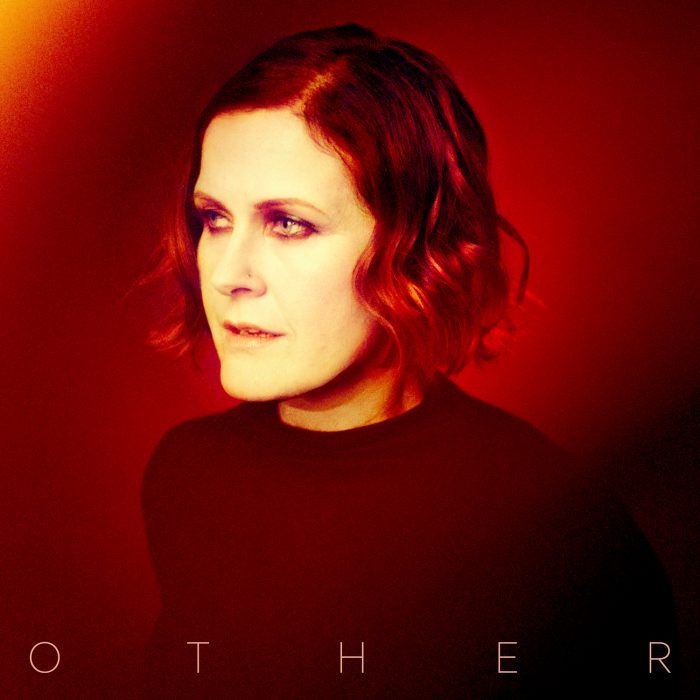
 View Artist