Song Meaning
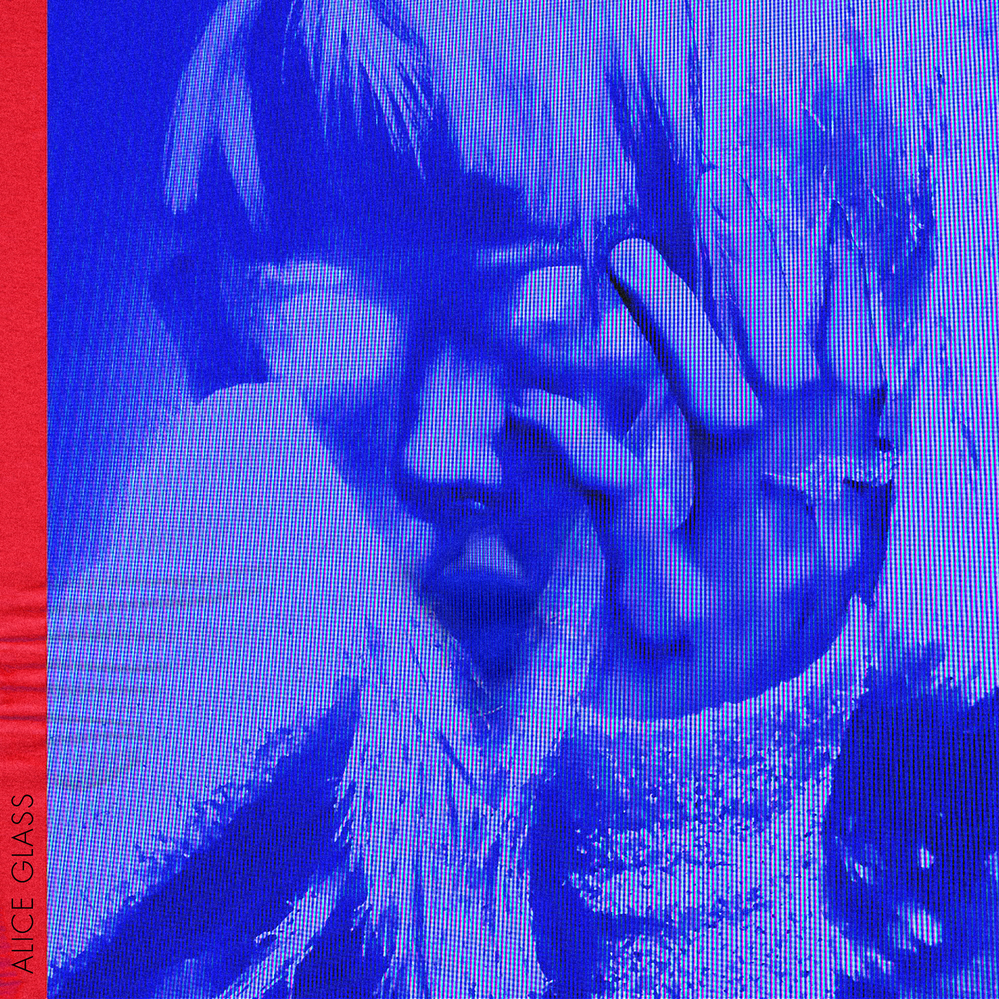
Alice Glass's "The Altar" isn't a song so much as a psychic wound, throbbing with the dull ache of trauma. The opening image – "The girls are picking flowers / Dangling at the sides of their hands" – feels deceptively innocent. These aren't celebrations, but perhaps offerings, or a fragile attempt to reclaim something beautiful in a corrupted landscape. The flowers, held loosely, hint at vulnerability and a tentative grasp on hope.
The chorus is the song's brutal core. The repeated mantra, "Somewhere else, someone else feels worse," is a dark inversion of empathy. It's not about finding perspective, but about weaponizing suffering. Glass isn't offering comfort; she's exposing the toxic tendency to minimize personal pain by comparing it to others. This resonates with the psychological concept of relative deprivation, where feelings of discontent arise not from objective circumstances, but from comparing oneself to others. The line "A life of compassion feels so rehearsed" suggests a weariness with performative empathy, a cynicism born from witnessing empty gestures of sympathy. The command to "Forget to remember your own worth" is the most devastating, implying a complete erosion of self-esteem under the weight of external expectations and internalized guilt.
The outro's stark pronouncement – "All your regret cannot be reversed" – offers no redemption. It's a bleak acceptance of the permanence of trauma, a refusal to sugarcoat the long-term consequences of abuse. The song meaning of "The Altar" lies in its unflinching portrayal of psychological damage. It's not a call to action or a message of hope, but a raw, visceral scream into the void, acknowledging the irreversible impact of pain and the struggle to maintain self-worth in its aftermath. Alice Glass uses the lyrics to paint a portrait of internalized suffering, and the numbing effect of constantly comparing yourself to others.
 View Artist