Song Meaning
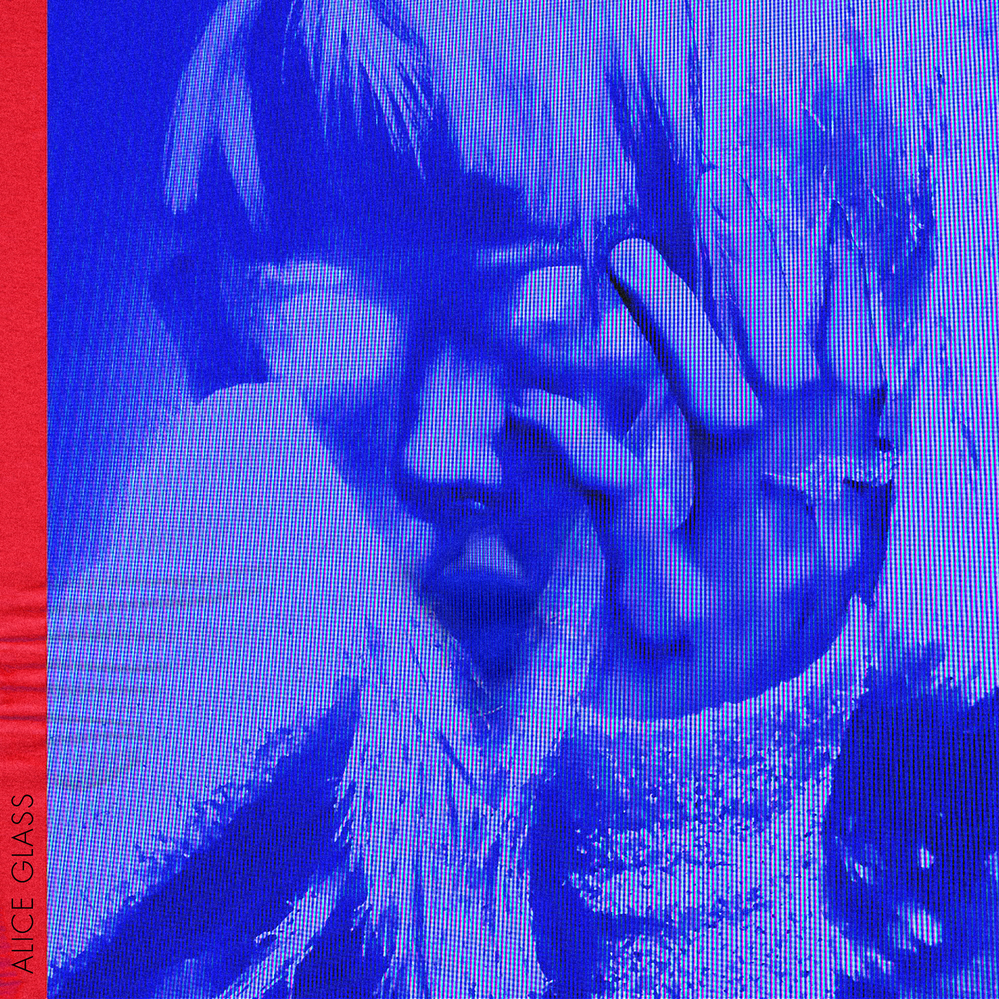
Alice Glass's "Natural Selection" operates as a brutal sonic exorcism, a raw scream against violation and the insidious normalization of abuse. The seemingly simple lyrics, repetitive as a mantra, drill into the listener's psyche, leaving no room for passive consumption. The opening lines, "Don't give excuses / Silk covered nooses," present a chilling paradox—violence masked in false comfort, a theme that Glass has explored throughout her career. This isn't just about physical violation; it's about the suffocating weight of expectations, the pressure to remain silent in the face of trauma. The repeated question, "What do you expect from me?" drips with bitter sarcasm, hinting at the impossible demands placed upon survivors.
The recurring motif of darkness versus light is central to the song's meaning. The line, "Are you safer now than when you're in the dark? / Maybe we're safer here in the dark," suggests a twisted sense of refuge in hidden spaces, a world where vulnerability is weaponized. The darkness becomes a shield, a place to escape the predatory gaze of abusers. This evokes the psychological concept of 'learned helplessness,' where individuals, after repeated exposure to uncontrollable aversive events, cease to believe they can control their environment, leading to passivity and withdrawal. In this context, the darkness represents a space where one can at least attempt to exert some control, even if it's just the control to hide.
The chorus, a relentless barrage of "Get the fuck off of me," is more than just a rejection; it's a desperate plea for autonomy. The phrase "Scream in silence" encapsulates the frustration of being silenced, of having one's voice stolen. The lyrics analysis reveals a complex interplay between power and powerlessness, violation and survival. "Natural Selection" isn't about some Darwinian struggle for dominance in the animal kingdom; it's about the unnatural selection process that occurs when abusers prey on the vulnerable, leaving them to grapple with the psychological fallout. The song's power lies in its unflinching honesty, its refusal to sugarcoat the realities of trauma, and its defiant assertion of the right to scream, even in silence.
 View Artist